Not a religious blog just a revert and her struggles
Author: Photini
I write about faith, growth, and navigating both struggle and guidance on this journey—sharing my personal experiences, not as a scholar, but as someone learning and growing along the way
For most of my life, I never truly understood what that meant. I had heard the words before, but I had never experienced them in a way that stopped me completely.
Until recently.
In fact, within the last 48 hours, something has shifted inside me.
I wasn’t searching for this.
I wasn’t looking for it.
I was simply asking questions. Trying to understand. Trying to find my way back to God through Islam
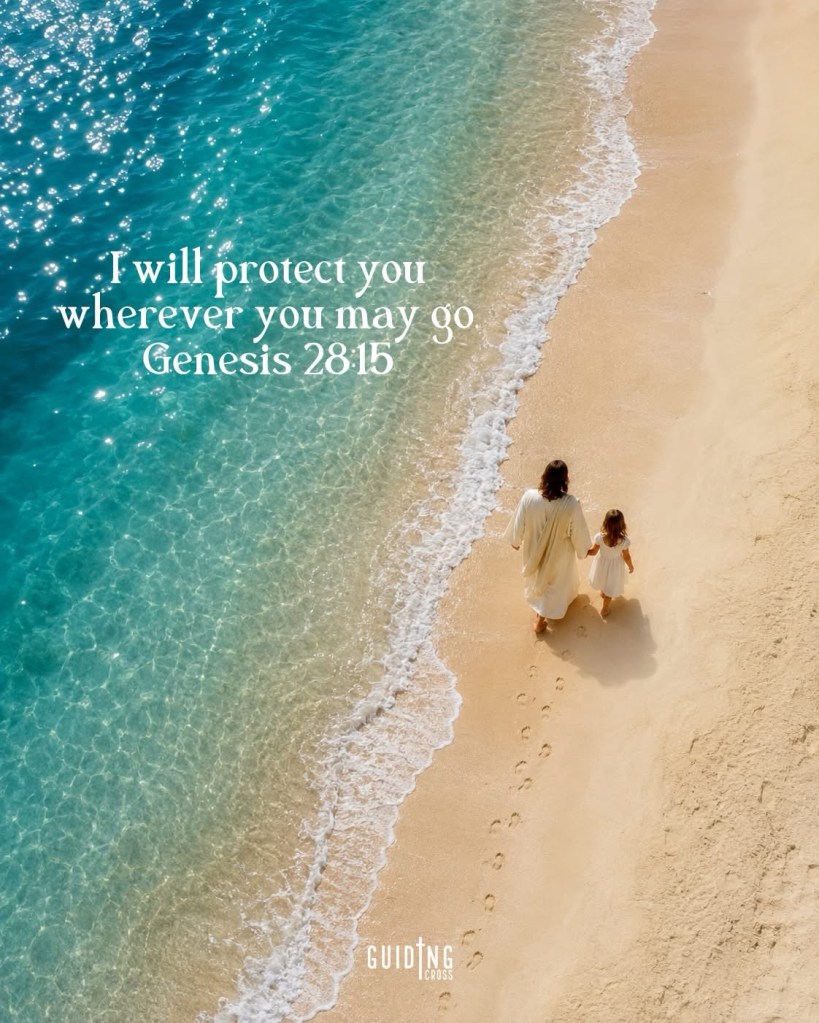
And somehow, through that searching, I found Christ.
I found Jesus Christ.
And in that moment, my entire understanding of faith changed.
It reminds me of something from my childhood.
Growing up, I had always seen Saturn and its rings. I had seen pictures in books, films, and astronomy magazines. I knew Saturn existed. I believed it existed.
But there was still a distance between knowing something and truly seeing it.
Then one day, my father placed his huge telescope in the garden and showed me Saturn.
And there it was.
The rings.
Not a photograph.
Not something someone else had described.
I saw it for myself.
And once you have seen something with your own eyes, you cannot return to the same uncertainty. The question changes because something that felt distant suddenly becomes real.
That is what this moment has felt like.
For years, I searched for God through Islam. I studied, questioned, prayed, reflected, and tried to understand the path that would bring me closer to Him.
And that journey mattered.
It brought me closer to thinking about God. It taught me devotion. It taught me surrender. It taught me to seek something beyond myself.
But the more I questioned, the more I found myself returning to one person.
Jesus.
The questions began to grow.
Who is Jesus?
Why is his story so central?
Why has his life changed the course of history?
What does his death and resurrection truly mean?
And as I continued searching, I found myself drawn towards the mystery at the heart of Christianity — the Trinity.
For years, I had misunderstood it. I thought it meant three separate beings, three gods, something impossible to comprehend.
But then I began to understand it differently.
One God.
Not divided.
Not three separate gods.
The Father — the source of all creation.
The Son, Jesus Christ — God’s Word made flesh, entering into human experience so that humanity could know Him in a way we could understand.
And the Holy Spirit — God’s presence and action alive within creation and within us.
Distinct in relationship, but united in being.
And suddenly, something clicked.
It was like looking through that telescope again.
Something I had only heard about became something I could finally see.
I began to understand why Christians have always placed Jesus at the very centre of their faith.
I began to understand why his followers were willing to endure so much because of what they believed they had witnessed.
My search for God did not end where I expected.
It led somewhere I never imagined.
It led me to Christ.
And just like seeing Saturn’s rings for the first time, I feel like something that was once distant has become clear.
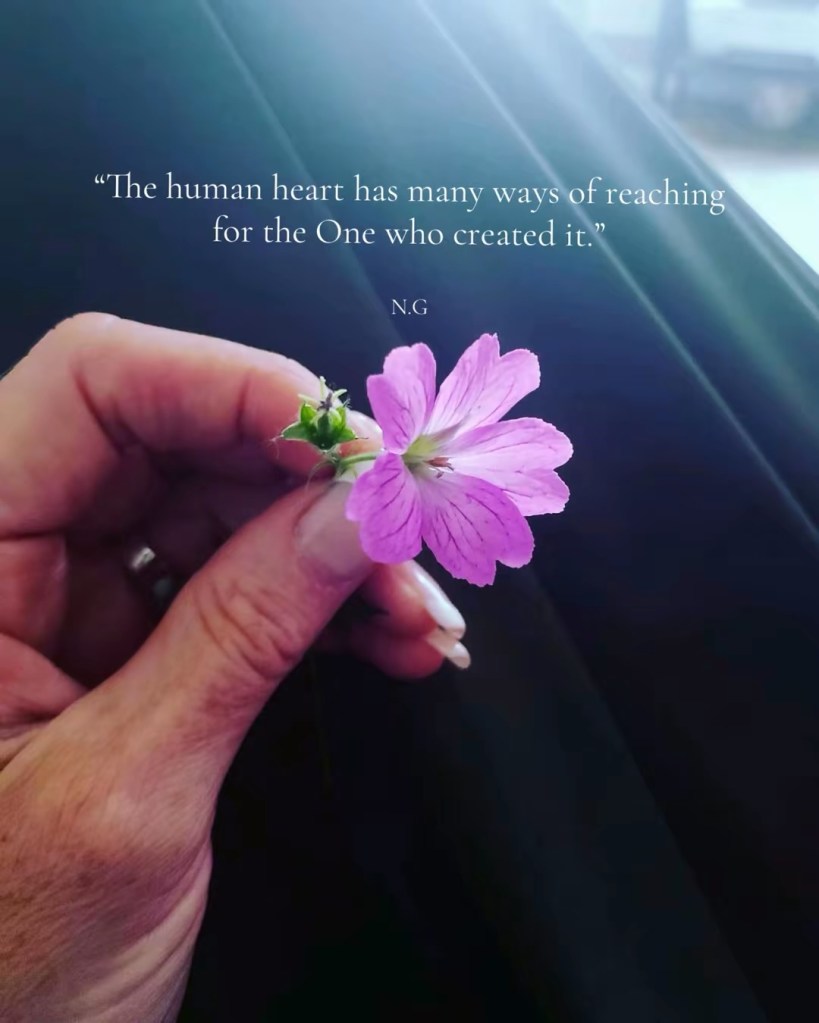
“The human heart has many ways of reaching for the One who created it.”
As I look at this flower my youngest picked for me I continue reflecting on today’s conversations, I have been thinking about the experience of searching within Islam — and how, at times, the voice of the ummah can feel very loud when someone begins to explore deeper questions of spirituality, meaning, and connection.
There can sometimes be a fear that looking beyond traditional interpretations means moving away from Allah, as though there is only one way a heart can journey towards God. But the relationship between a person and their Creator has always been deeply personal. Faith is not only inherited or expressed outwardly; it is also something lived within the heart.
Islam comes from a root connected to peace, wholeness, and surrender — the surrender of the self to Allah. It is a path intended to bring the soul into harmony with its Creator, cultivating humility, compassion, mercy, and a heart that remembers Him.
I find myself reflecting on the belief that there is not always one single way a heart journeys towards Allah. For me, what matters most is the intention behind the seeking — whether the heart is turning towards Allah, longing to know Him more deeply, and seeking a greater connection with the One who created it.
I do not believe that every sincere step towards Allah should be viewed through a lens of fear or distance.l simply because it doesn’t follow the traditional path . A path that is walked with the intention of deepening faith, growing in understanding, and drawing closer to Allah is, for me, part of that relationship and that return.
Today has been a deeply reflective and, honestly, exhausting day. I find myself tonight longing for sleep, yet my mind is still full — my journal filled with questions, thoughts, reflections, and words that have stayed with me from the conversations and moments throughout the day.
Some reflections cannot be rushed into neat answers. Some questions need time, patience, and quietness. Tonight I simply find myself carrying these thoughts with me — grateful for the opportunity to reflect, to learn, and to continue walking with sincerity.
Recently, I went to a respected friend with questions. I wasn’t looking for someone to simply give me answers; I was looking for guidance, reflection, and inspiration because I felt that something within my spirituality had become a little lost.
Before Islam, I had a very spiritual life. I found meaning in meditation and stillness, Reiki and sound practices, singing bowls and gongs, incense, candles, crystals, journaling, reflection, and creating peaceful spaces. I was drawn to moments of connection, peace, and a sense of something deeper beyond the everyday.
When I came to Islam, that longing for connection did not disappear. I was seeking that same closeness to the Divine through a new path — through the Qur’an, prayer, dhikr, and my relationship with Allah.
But recently, I found myself asking: Where has that sense of spirituality gone? Had I lost something, or was my understanding of spirituality changing?
My friend asked me questions that encouraged me to look inward:
What do you find spiritual? What did you find spiritual before?
Do you allow yourself to contextualise and question difficult verses of the Qur’an?
Those questions stayed with me.
As I reflected, I began exploring what it means to have a relationship with the Qur’an that is not only based on receiving interpretations, but also on sincerely engaging, reflecting, and seeking understanding.
This led me to discover the concept of tadabbur — deep reflection and contemplation.
I realised that perhaps what I had been searching for was not a way away from the Qur’an, but a deeper way into it.
For me, tadabbur means sitting with an ayah and allowing myself to reflect:
What is this teaching me? Why does this verse affect me? What does this reveal about Allah, His mercy, His justice, His compassion, and my own life?
This does not mean ignoring the original meaning of the Qur’an. Context matters. Language matters. History matters. The understandings of scholars and generations before us matter.
But I also believe there is space for sincere reflection.
It means allowing myself to ask:
Is this interpretation the only possible understanding? Is this a timeless principle, or was it revealed in response to a particular situation? How does this fit with the wider themes of the Qur’an?
For me, this is not about changing the Qur’an to fit my own desires. It is about approaching it with humility, honesty, and a genuine desire to understand.
A sincere relationship with revelation can include moments of questioning, searching, and even struggling. A person can say:
“I believe this is from Allah, but I am struggling to understand it. I want to explore its meaning.”
That is not necessarily a turning away from faith. Sometimes questions come because we want a deeper and more authentic connection.
I find myself wanting to hold both things together: respect for scholarship and tradition, while also allowing myself to reflect personally. I can explore classical interpretations, commentaries, and different perspectives, while also recognising that my relationship with Allah is personal.
My friend also shared her own thoughts about what inspires her in other Muslims. Her reflections made me think about my own sources of inspiration: what draws me closer to Allah, what nourishes my soul, and what expressions of faith help me feel connected.
She also encouraged me to consider that if certain practices or expressions of faith do not inspire me, perhaps they are not the right expression for me at that particular time. That does not mean rejecting them; it means recognising that spiritual growth can take different forms.
She reminded me that Islam itself unfolded gradually over 23 years. Revelation came step by step, and the Prophet Muhammad ﷺ guided people with wisdom, patience, and understanding of their circumstances.
Perhaps my journey is not about finding a perfect version of faith that someone else has defined for me. Perhaps it is about discovering a sincere relationship with Allah that allows me to grow, reflect, question, and return.
Maybe my spirituality was never truly lost.
Maybe it was asking to be deepened.
Maybe what I am learning is that spirituality is not only found in familiar practices, but in the courage to reflect, to seek understanding, and to remain open to being transformed by what I learn.
In that sense, tadabbur is not separate from spirituality — it is part of it. Reflection becomes a way of drawing nearer to Allah, and questioning becomes a way of seeking truth with sincerity. Personal growth, then, is not a departure from faith, but one of its fruits.
And perhaps that is the insight I was looking for all along: that my path back to spirituality is not a return to who I was before Islam, but a deeper, more grounded way of being who I am — finding my way back to Allah through a connection that is personal, sincere, and rooted in my own journey rather than shaped only by the voices around me, which can sometimes become so loud that they drown out my own conviction and the quiet sincerity of my relationship with Allah.
I was once again beautifully reminded of these words, often attributed to Rumi:
“Let yourself be silently drawn by the strange pull of what you really love. It will not lead you astray.”
I believe there is One God — Allah — the source of all existence, love, mercy, wisdom, and beauty. I believe Muhammad ﷺ is His Messenger, the Qur’an is the final revelation, and my relationship with Allah remains at the heart of my spiritual life.
Where my understanding differs from more literal interpretations is in how I view the world’s religions and spiritual traditions.
I think much of this perspective has been shaped by my experiences of travelling the world and by being married to someone from a Brahmin Hindu background. Living alongside different cultures and traditions has shown me the depth of humanity’s search for meaning and connection with the Divine.
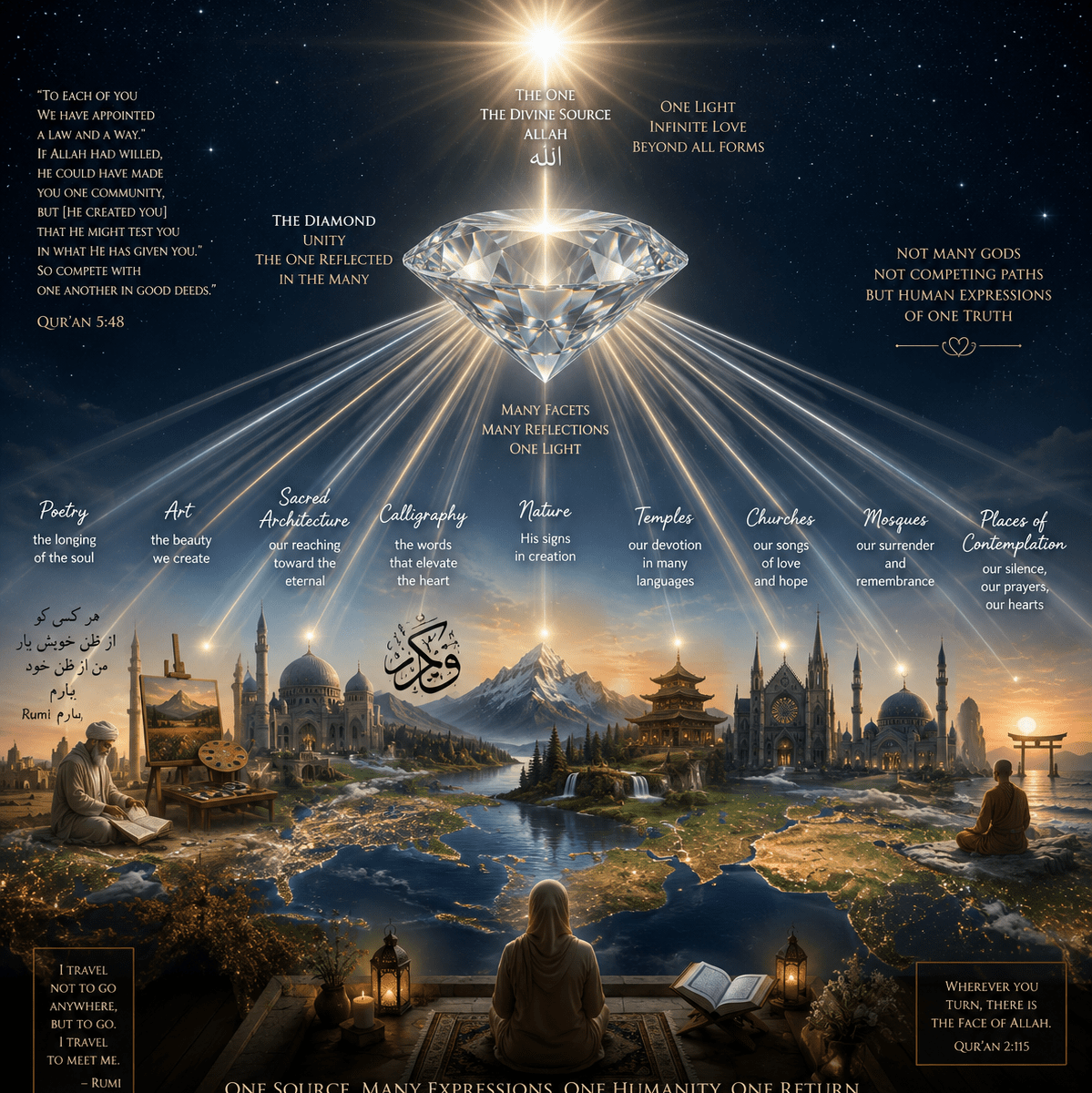
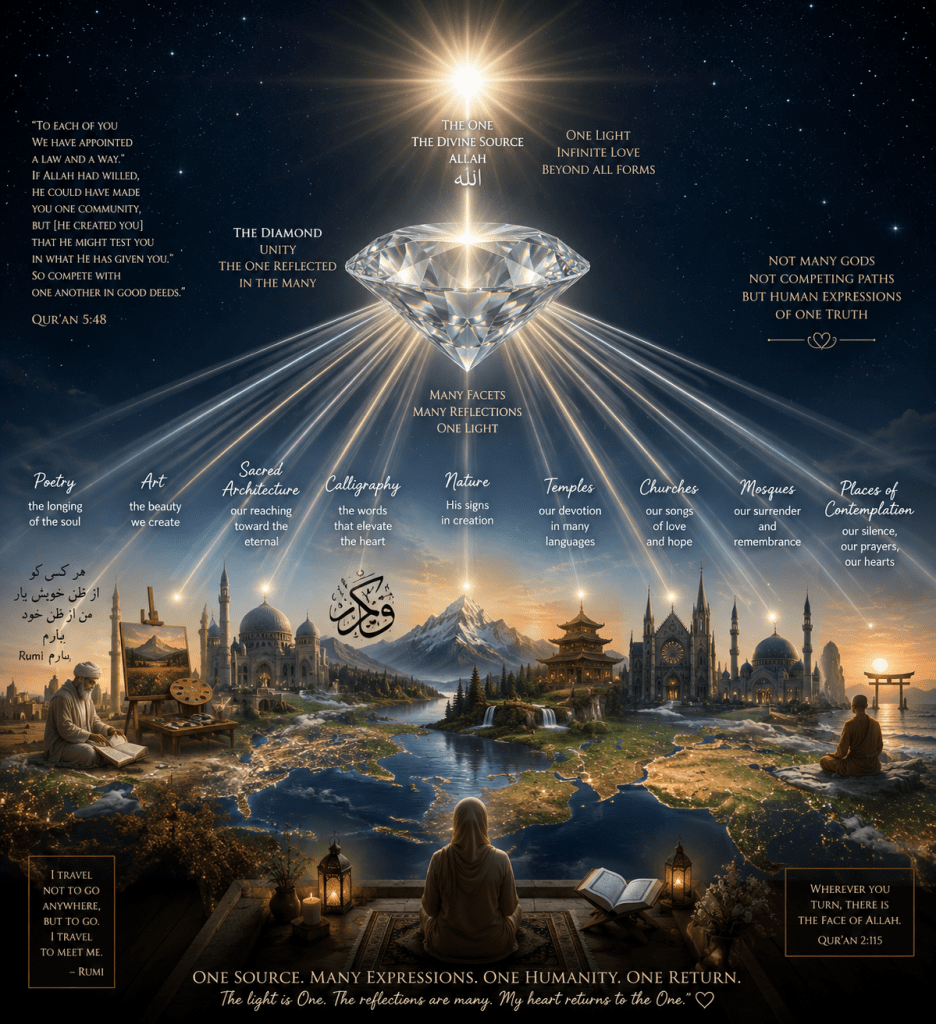
Whilst I do not believe there are many gods, nor that every religion is equally true in every teaching, I do believe humanity has always been reaching towards the same Divine Reality — expressing that search through the stories, symbols, poetry, art, rituals, and traditions of their own cultures.
I see the gods, goddesses, and sacred figures of different traditions not as separate divine beings, but as human ways of expressing and understanding qualities that ultimately come from Allah.
To me, creation is full of signs pointing back to the One.
Love, compassion, justice, beauty, and wisdom are reflections of Divine qualities. The forms may differ, the languages may differ, and the symbols may differ, but the longing behind them is the same: humanity’s desire to know, seek, and draw closer to God.
I do not see the diversity of spiritual traditions as taking away from Allah’s Oneness. Instead, I see it as a reflection of humanity’s ongoing search for Him and the many ways people throughout history have tried to understand, express, and respond to the Divine.
Perhaps this is where I find myself closest to the Perennial Philosophy — not because I believe every belief or teaching is the same, but because I recognise a shared human longing for the Sacred that appears across cultures and throughout history.
My journey is not about abandoning Islam or replacing it with something else. It is about understanding my faith more deeply: recognising Allah as the source of all truth, while acknowledging that humanity has always been searching for Him.
This morning I realised something I never expected.
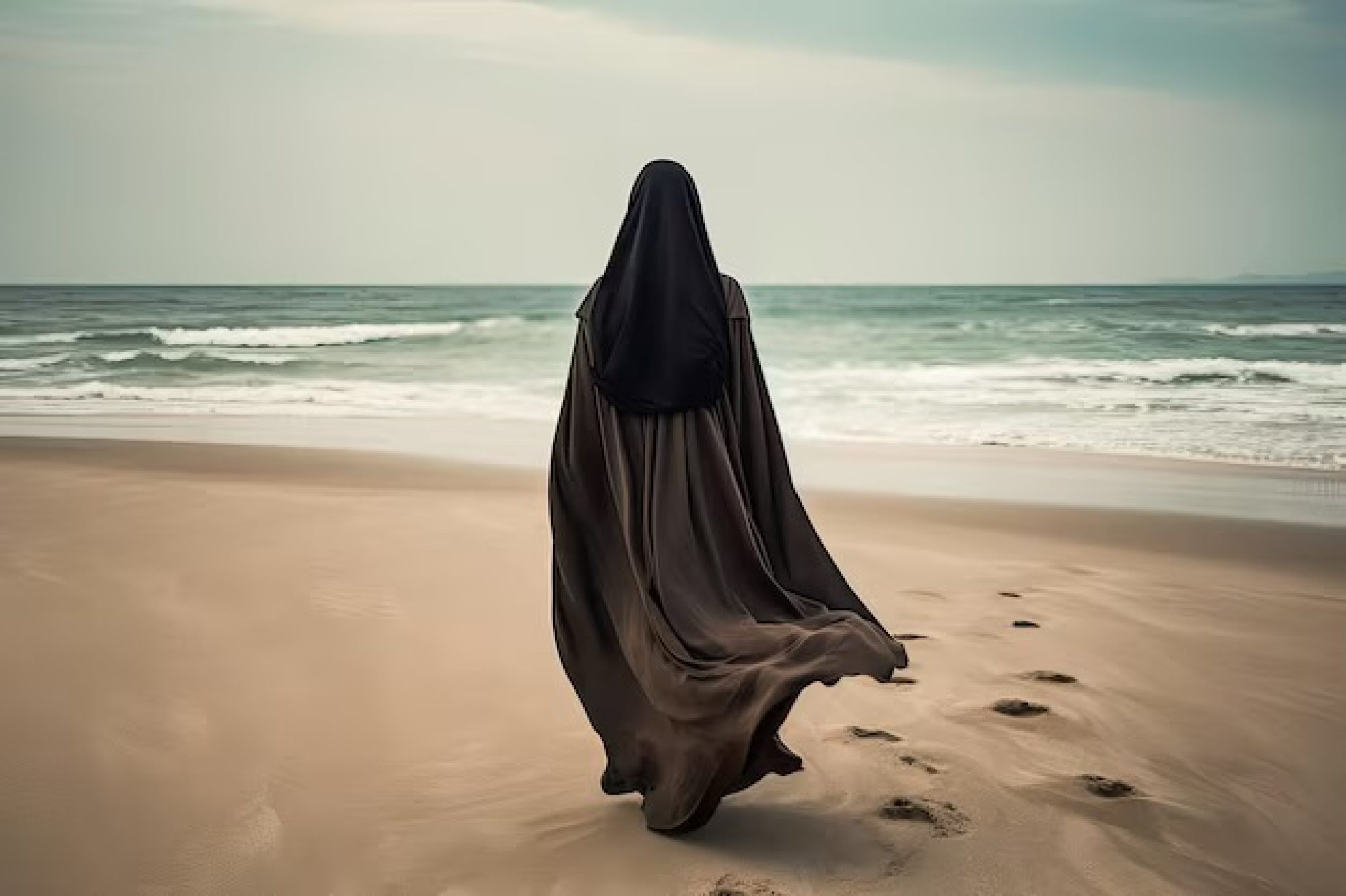
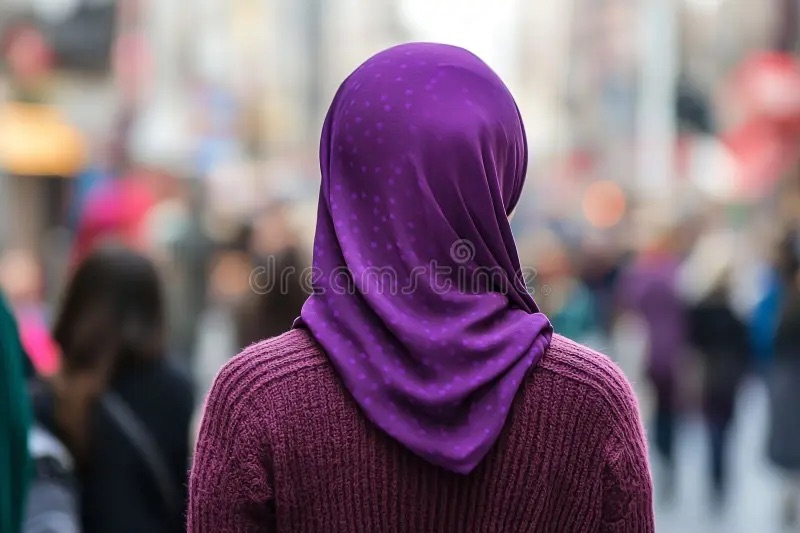
People often say that when a woman wears hijab, she loses her identity. That she disappears into a crowd. That she becomes invisible behind a piece of cloth.
My experience has been the complete opposite since removing it two days ago.
When I wore hijab, I was never invisible. I was immediately recognisable. Before anyone knew my name, my personality, or my character, they knew one thing about me: I was Muslim. That single visible marker often became the loudest thing about me. In the places I visited, it didn’t feel like a cloak of invisibility. It felt like a spotlight.
There were the stares. The double takes. The assumptions. Sometimes curiosity, sometimes kindness, sometimes discomfort. Whether real or imagined in any individual moment, I carried an awareness that I stood out.
Since removing my hijab, something unexpected has happened.
I’ve never felt so invisible.
And I won’t pretend I’m not enjoying it.
Not because I’m ashamed of being Muslim. I’m not. My faith hasn’t disappeared because a piece of fabric has. But for the first time in years, I can simply walk through the world without immediately becoming someone’s idea of what a Muslim woman is supposed to be.
I can be just another face in the crowd.
There’s something profoundly peaceful about that.
It has made me question how often we misunderstand visibility. Perhaps visibility isn’t always about being seen as yourself. Sometimes it’s about being seen only through one part of your identity.
I’ve realised that invisibility isn’t necessarily erasure. Sometimes it’s freedom from being instantly categorised. Freedom to be known gradually rather than assumed immediately.
This isn’t an argument against hijab, nor is it an argument for removing it. It’s simply an honest reflection on my own experience.
Sometimes the thing we believe makes someone disappear is actually the very thing that makes them impossible to overlook.
And sometimes, disappearing into the ordinary isn’t losing yourself at all.
Sometimes it’s finally having the space to simply be. To focus on what truly matters—my relationship with Allah.
I’ve realised that my faith doesn’t need to be announced before I’ve even spoken. It doesn’t need to be the first thing people see about me. Instead, it can become something quieter, more intimate, something that is lived rather than immediately perceived.
For me, that has brought a surprising sense of peace. It has lifted the feeling that I was constantly representing something bigger than myself, or that every interaction somehow reflected upon my faith. Now, my attention feels less drawn to how I’m perceived by the world and more drawn to how I am known by Allah.
Perhaps that’s the lesson I’ve been learning all along.
Lately, I have been sitting with the words of Allah:
“Allah is the Guardian of those who believe. He brings them out from darkness into the light.” (Qur’an 2:257)
There is a quiet comfort in this verse that reaches the parts of the heart that words sometimes cannot.
Because the truth is, there are seasons where my connection with Allah feels stronger, and there are seasons where I feel myself drifting. Seasons where my heart feels full of remembrance, and seasons where I feel distracted, overwhelmed, and caught up in the noise of this dunya.
Recently, I have felt that distance. I have felt the weight of falling short in my deen, of not being where I want to be spiritually, of allowing the distractions of this world to take up space that belongs to Allah.
The dunya has a way of filling our hearts with so much noise. Responsibilities, worries, desires, comparisons, and endless distractions can slowly pull us away from the One who gave us our hearts in the first place.
But this verse reminds me of something beautiful: Allah is not only the Lord of those who have never struggled. He is the Guardian of those who believe — including those who are trying to find their way back.
He is the One who reaches into our darkness and guides us towards light.
The darkness may look different for each of us. Sometimes it is sadness. Sometimes it is addiction, fear, loneliness, or feeling disconnected from our purpose. Sometimes it is simply the feeling of being far from Allah and longing to feel close again.
But perhaps that longing itself is a mercy.
Perhaps the ache in our hearts is Allah calling us back.
Faith is not about never falling. It is about knowing where to turn when we do. It is about returning to Allah again and again, even when we feel ashamed, even when we feel we have fallen short, even when we feel we have lost our way.
Allah’s mercy is always greater than our mistakes.
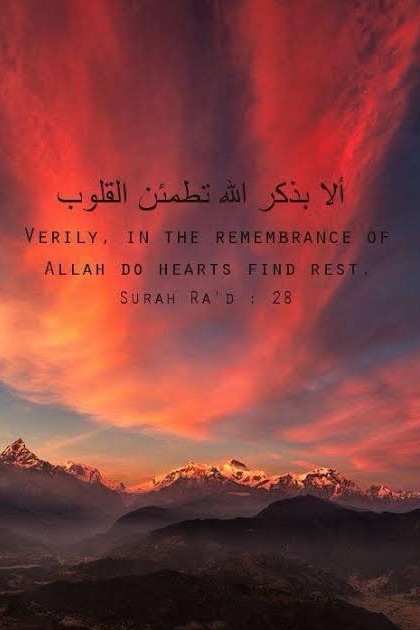
So today, I am not seeking perfection. I am seeking sakina — that tranquillity that comes when the heart remembers its Creator.
I am seeking to return. To soften my heart. To quiet the distractions of the dunya. To rebuild my connection with Allah, one prayer, one verse, one moment of remembrance at a time.
Because Allah does not abandon the heart that turns back to Him.
He is the One who brings us from darkness into light.
This morning, I was woken by the most intense thunderstorm I have ever experienced. The thunder cracked through the sky with such force that it filled my heart with fear.
That fear surprised me.
I am not someone who has always been afraid of storms. As a child, my mother would wake me up in the middle of the night so we could stand at the window and watch thunderstorms together. Later in life, I became the kind of person who would chase storms rather than run from them. Thunder and lightning fascinated me. I admired their beauty, their power, and their unpredictability.
Yet this morning was different.
For a long time now, I have been struggling with my iman. Questions have followed questions, and doubts have followed doubts. My connection to God has felt distant. I have not been waking for Fajr for a very long time. Somewhere along the way, I became caught between faith and uncertainty.
Then came the storm.
As the thunder rolled overhead and shook the world around me, I was reminded of the words:
“And the thunder glorifies His praise, and the angels out of fear of Him. And He sends the thunderbolts and strikes with them whom He wills, while they dispute concerning Allah; and He is tremendous in might.”
In that moment, the storm felt like more than weather. It felt like a reminder.
A reminder that these immense forces of nature, which seem so powerful to us, are themselves under God’s command. A reminder that creation itself points back to its Creator. A reminder that while the signs of God surround us, some of us continue to argue, question, doubt, and dispute.
I have been one of those people.
And yet, standing in the presence of that thunder, feeling a fear I had never felt before, I was reminded of something I had forgotten: awe.
Not blind certainty. Not the absence of questions. But awe.
The kind of awe that makes a person feel small beneath a sky that belongs to God.
The kind of awe that reminds you that faith is not only found in answers, but sometimes in being confronted by something greater than yourself.
I do not know where this journey will take me. I do not know which questions will be answered and which will remain. But I know that I will never forget that storm, or the feeling that accompanied it.
For a brief moment, amidst the thunder and lightning, my heart remembered.
Islam began as a call to submit to God: to pray, to act justly, to remember Him, and to live righteously.
Yet as Islam spread across continents and cultures, faith naturally became expressed through human tradition and culture. Arabs, Africans, Turks, Persians, Indians, Indonesians, Europeans — all carried Islam into their own worlds, expressing modesty, beauty, and devotion through different languages, clothes, customs, and ways of life. Over time, some cultural practices became so closely associated with religion that they began to feel inseparable from it.
But perhaps there is wisdom in remembering the difference between the essence of faith and the forms culture gives it.
A woman in Nigeria wrapping her hair in vibrant fabric, a woman in India wearing a dupatta, and a woman in the West dressing modestly in her own way may all be striving toward the same principle through different expressions.
The Qur’an speaks repeatedly about sincerity, righteousness, humility, and consciousness of God — qualities that transcend geography, tribe, and clothing.
“O mankind, We created you from a male and a female, and made you peoples and tribes so that you may know one another. Indeed, the most noble of you in the sight of God is the most conscious of God among you. Indeed, God is Knowing and Aware.” (49:13)
To return to the heart of faith may not mean abandoning culture, but learning not to confuse culture with God Himself or with His revelation.
Today I did something that felt both terrifying and freeing at the same time. I changed my profile picture to one where I am no longer wearing the hijab. Not just on one platform — across all of my social media.
And almost instantly, the messages came.
“Sister, why have you removed your hijab?” “You’ve left the fold of Islam.” “You’re going to Jahannam.”
All because a piece of cloth came off my head.
But let’s correct something here, because this needs to be said clearly: no human being has the right to declare another person a kafir. No one has the authority to tell somebody that their iman is low, or that they are no longer Muslim, simply because they do not look the way you expect a Muslim woman to look.
Faith is not measured by fabric.
And judgment of others says far more about the state of your own heart than it does about theirs.
My iman is actually stronger now than it has been in a very long time. It became stronger when I stopped performing religion for people and started sincerely seeking Allah for myself. It became stronger through reading the Qur’an deeply. Through questioning. Through researching. Through refusing to blindly follow things that never sat right in my soul. Through rejecting hadith that contradicted the mercy, justice, and wisdom I found in the Qur’an itself.
People throw the word “Quranist” at me like it’s an insult. But I do not see following the word of Allah as something shameful. I am without title.
I am Muslim
I choose sincerity over performance. Connection over appearances. Faith over fear.
And yes, there may still be days when I wear hijab. But whether I wear it or not does not define my relationship with Allah. It does not define my understanding of Islam. It does not determine the sincerity of my worship or the depth of my belief.
This also is not a call for other people to remove their hijab. Your choices should come from your own conviction, your own understanding, your own relationship with Allah — not because you saw somebody else make a different choice and followed them without reflection. Faith should never be that fragile.
And whilst my hijab is off right now, that does not mean it is off permanently or constantly. You may still see me wearing hijab some days, and other days you may see my hair. I think the point I am trying to make is that my hijab is not the sole reflection of my faith. It is one part of a deeply personal journey between myself and Allah — and should I choose to embrace it, I want that choice to come freely, sincerely, without fear, without prejudice, and without condemnation from other brothers or sisters.
What I think needs to change most within the Muslim community is this obsession with uniformity. This pressure for everyone to dress the same, think the same, interpret the same, speak the same, live the same.
But Allah did not create us as copies of one another. The Qur’an reminds us that diversity itself is among His signs:
“And among His signs is the creation of the heavens and the earth and the diversity of your languages and your colours. Indeed in that are signs for those of knowledge.” (30:22)
We were created uniquely, intentionally, individually.
So many people are suffocating because Islam has been turned into a box with the lid nailed shut. There is no room to breathe, no room to grow, no room to ask questions, no room to seek knowledge independently.
Yet the Qur’an repeatedly warns against blindly following what our forefathers believed without understanding it for ourselves:
“And when it is said to them, ‘Follow what Allah has revealed,’ they say, ‘Rather, we will follow that upon which we found our fathers.’ Even though their fathers understood nothing, nor were they guided?” (2:170)
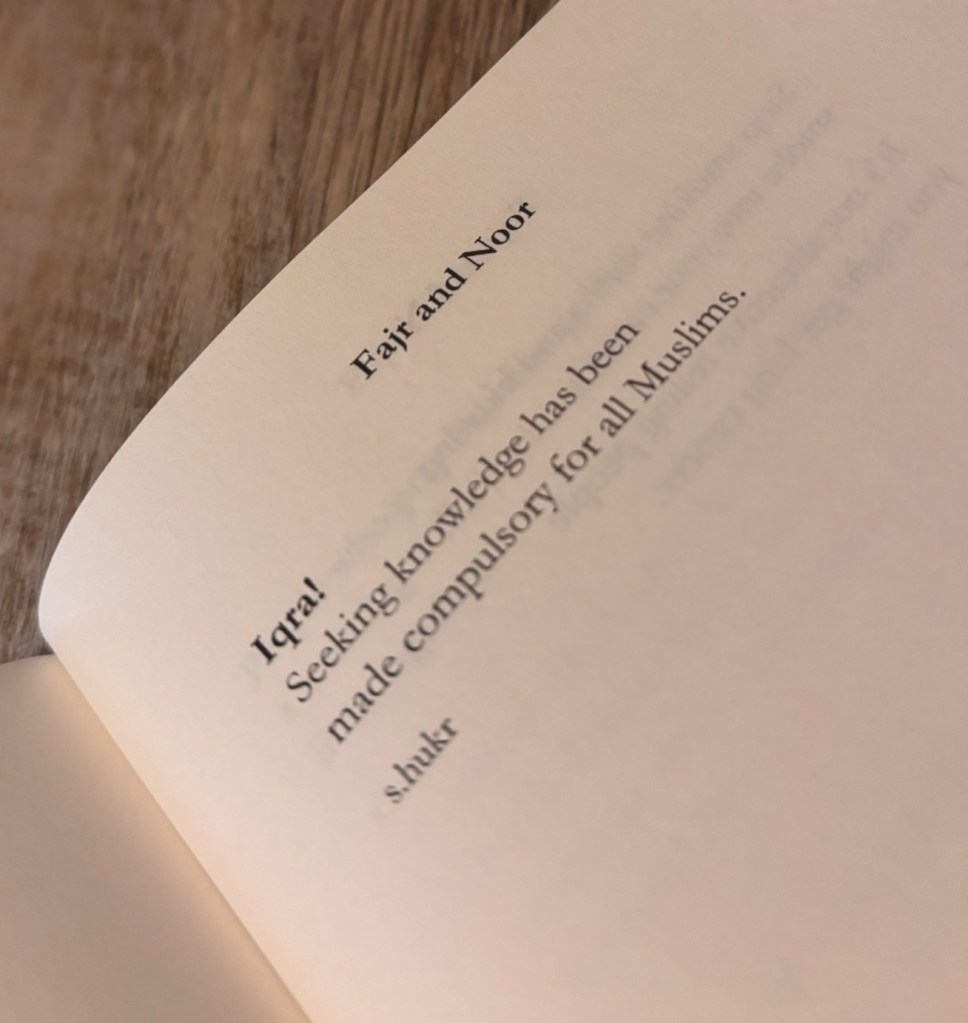
Seeking knowledge is an obligation. Thinking is an obligation. Reflection is an obligation.
I cannot be the kind of person who lives only to fit into a mould created by people.
So yes — my hijab came off. Yes — I may no longer look visibly Muslim to the outside world.
But I am still Muslim. If anything, I feel closer to Allah now than I ever did when I was trying desperately to become the version of myself that other people demanded.
And yes it may be back on sooner than I think but for now I respect where I am and expect others to also.
I have spent a long time struggling with my relationship to hijab, modesty, visibility, and faith. For a while, I thought the struggle meant my iman was weak or that I was somehow failing as a Muslim woman. But the more honestly I reflect, the more I realise my struggle is not with Allah, nor with morality, nor with wanting to expose myself or seek attention. My struggle is with carrying the emotional and psychological weight of being visibly Muslim all the time, especially while navigating identity, femininity, exhaustion, and sincerity.
As a woman in my mid-fifties who is past the menopause and no longer seeking marriage, I find myself thinking more deeply about what the Qur’an actually says, versus what culture, community pressure, or inherited tradition have added around it.
To be clear here I do not reject modesty. I still value dignity, humility, and respectful dress. I still cover my chest area and avoid clothing that feels deliberately provocative. I still wear hijab during prayer and often cover my hair in softer, looser ways. But I no longer believe that my entire faith rests upon whether every strand of my hair is covered every moment I step outside.
The Qur’an itself places its strongest emphasis on sincerity, conduct, humility, justice, compassion, prayer, remembrance of Allah, and care for others. While modesty is certainly part of Islam for both men and women, the Qur’an does not spend pages detailing exact fabrics, styles, colours, or universal dress codes for every woman in every place and every century.
One verse that has become deeply meaningful to me is Qur’an 24:60, where Allah speaks specifically about older women past childbearing age who are no longer seeking marriage. The verse says there is no blame upon them for relaxing some of their outer garments, provided they are not displaying adornment in a provocative way, though modest restraint remains better. To me, this verse reflects mercy, realism, and nuance. It acknowledges that women’s lives, bodies, circumstances, and social realities change with age. It recognises that modesty is not a rigid prison but a principle rooted in dignity and intention.
For a long time, I wore hijab in a way that felt emotionally heavy. Every day I would put it on and feel dread, resistance, or sadness. I began to realise that constantly wearing something from fear, guilt, or emotional suffocation was not bringing me closer to Allah. My faith was becoming tangled in anxiety and all-or-nothing thinking. But spiritual life is rarely that simple.
I am beginning to understand that my relationship with hijab does not have to be all or nothing. I do not need to disappear as a woman in order to remain faithful to God. I can still dress with modesty while allowing softness, beauty, femininity, breathability, and comfort into my life. I can wear looser flowing scarves, boho wraps draped around my shoulders and chest, relaxed clothing suited to heat and travel, and styles that feel emotionally sustainable rather than performative.
This is by no means an address or a call for women to remove their hijab. It is simply an acknowledgement of a personal journey, a sincere struggle, and an attempt to understand faith, modesty, and identity with honesty rather than fear.
Most importantly, I am learning that my faith is bigger than what I wear on my head.
Allah sees my sincerity, my struggle, my intention, my reflection, my prayers, my compassion, my motherhood, my exhaustion, my searching heart, and my efforts to remain truthful. I do not believe Allah is waiting to reject me because my hijab has become softer, looser, or different from before.
I am not abandoning faith. I am trying to remain spiritually honest.
And perhaps that honesty itself is part of worship.
How do we stop the dunya from becoming the only atmosphere surrounding us?
I think this is something a lot more people struggle with than we realise.
So many of us go through periods where we feel disconnected from the deen. Our iman feels low, prayer feels harder, and everything that once felt grounding suddenly starts to feel distant. And usually, the first thing we tell ourselves is that we need to do more. Read more books. Watch more lectures. Pick up the Qur’an and force ourselves through pages, hoping something clicks again.
But sometimes the issue is not that we need more information.
Sometimes we just need reorientation.
Because this dunya has a way of quietly becoming the only thing around us. Not through huge acts of neglect, but through daily life. Work, phones, routines, scrolling, stress, noise. Days start blending into each other until eventually we realise we’ve spent weeks surrounded by everything except remembrance.
And when that happens, even sincere belief can begin to feel distant.
I think this is why Ramadan affects people so deeply, even people who are physically alone. During Ramadan, the atmosphere changes. Suddenly your feeds are filled with Qur’an, prayer, reminders, people trying, people reconnecting. The whole world feels like it has turned slightly back toward Allah. Even if you’re sitting in your room by yourself, you still feel connected to something bigger than yourself.
Then Ramadan ends, and that atmosphere disappears almost overnight.
And I honestly think a lot of people blame themselves for that more than they should.
Not every spiritual low means you’re failing. Sometimes you’ve just been left trying to maintain your deen in an environment where dunya is the loudest thing in the room every single day.
That’s why I think reconnecting isn’t always about pushing harder. Sometimes it’s about gently bringing remembrance back into your surroundings again.
That could be something as simple as putting Qur’an on in the background while you’re at home. Sitting quietly after prayer for a few extra minutes. Or even turning on Islam TV at night and watching worshippers gathered in prayer at Masjid al-Haram. Not because watching a screen replaces worship, but because sometimes the heart needs to feel connected to a living atmosphere of remembrance again. Sometimes seeing people pray, hearing the adhān, or watching the Kaaba reminds you that your deen still exists beyond your own isolation and routine.
And especially for people who are isolated, reverts, or those without much Muslim community around them, that kind of connection matters more than people realise.
Islam was never meant to be lived entirely alone inside your own head.
So if you’re feeling disconnected lately, maybe don’t immediately assume you’re broken or failing spiritually. Maybe your heart is just tired of being surrounded only by dunya all the time.
Maybe it just needs to feel close to something sacred again.

 Seeking Sakina