Islam began as a call to submit to God: to pray, to act justly, to remember Him, and to live righteously.
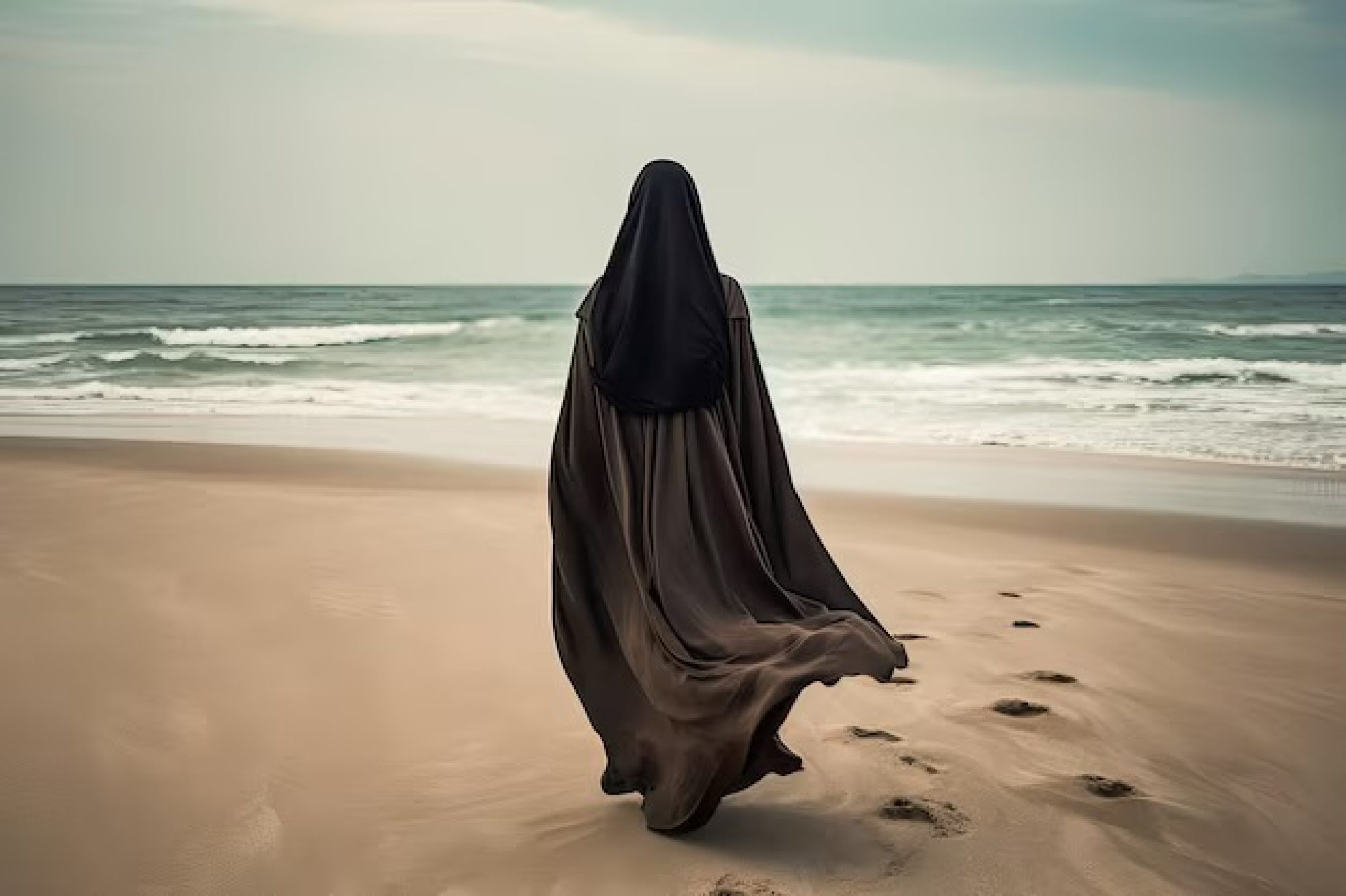
Yet as Islam spread across continents and cultures, faith naturally became expressed through human tradition and culture. Arabs, Africans, Turks, Persians, Indians, Indonesians, Europeans — all carried Islam into their own worlds, expressing modesty, beauty, and devotion through different languages, clothes, customs, and ways of life. Over time, some cultural practices became so closely associated with religion that they began to feel inseparable from it.
But perhaps there is wisdom in remembering the difference between the essence of faith and the forms culture gives it.
A woman in Nigeria wrapping her hair in vibrant fabric, a woman in India wearing a dupatta, and a woman in the West dressing modestly in her own way may all be striving toward the same principle through different expressions.
The Qur’an speaks repeatedly about sincerity, righteousness, humility, and consciousness of God — qualities that transcend geography, tribe, and clothing.
“O mankind, We created you from a male and a female, and made you peoples and tribes so that you may know one another. Indeed, the most noble of you in the sight of God is the most conscious of God among you. Indeed, God is Knowing and Aware.” (49:13)
To return to the heart of faith may not mean abandoning culture, but learning not to confuse culture with God Himself or with His revelation.
Discover more from Seeking Sakina
Subscribe to get the latest posts sent to your email.
 Seeking Sakina