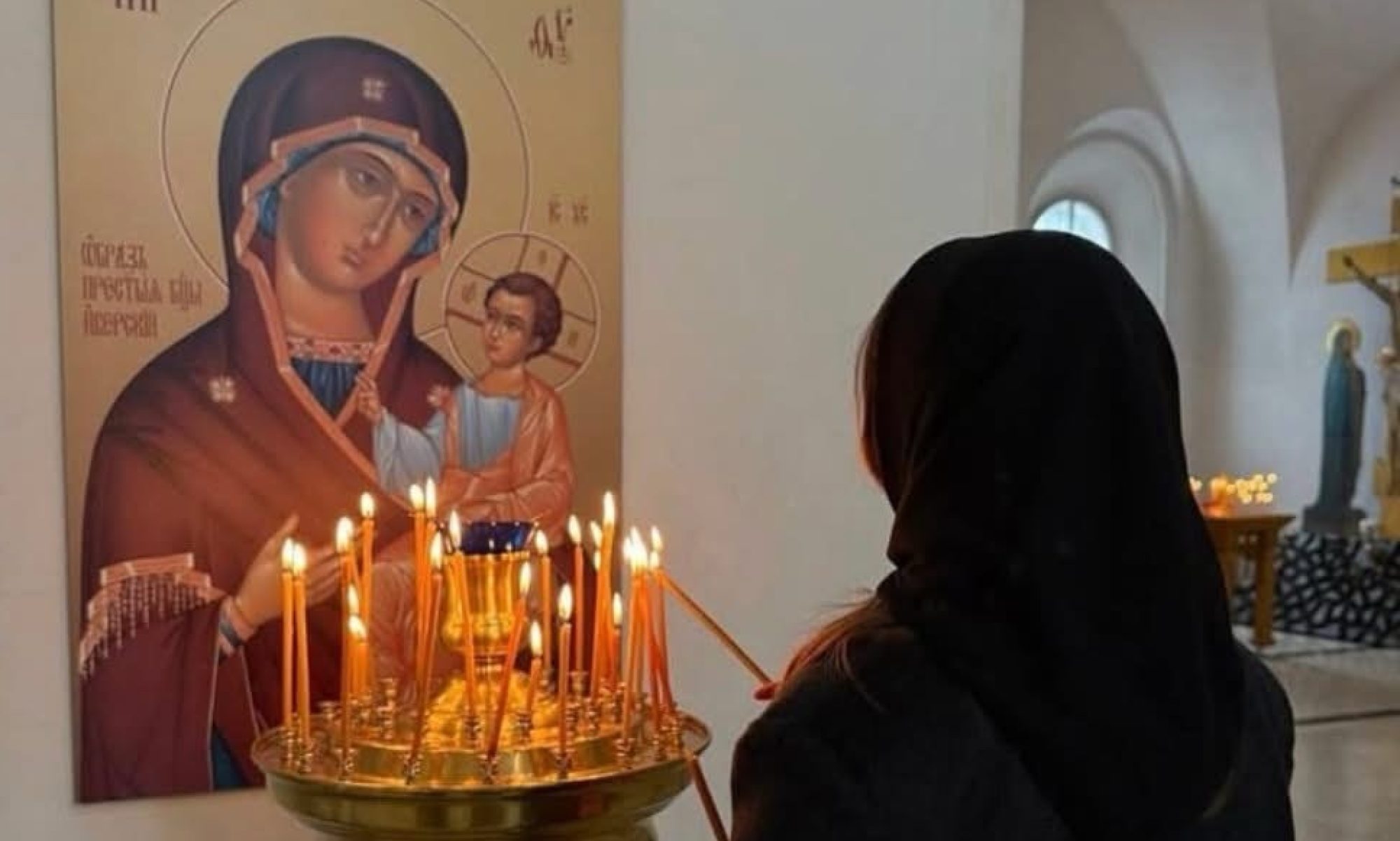
Coming to Christ was, in many ways, the easy part.
The struggle came afterwards.
Because the more I came to know Jesus, the more I realised just how intrinsically connected He is to the land of Israel and to the Jewish world in which He lived.
Jesus was Jewish.
Mary was Jewish.
His disciples were Jewish.
The Scriptures He knew were Jewish.
Jerusalem was part of His story, not simply the setting for it.
And the more I try to live as closely as I can to the way Jesus lived, the more I find myself having to acknowledge the Jewish rhythms, traditions and festivals that were simply part of His life.
Shabbat.
Rosh Hashanah.
Sukkot.
Passover.
Shavuot.
The Temple.
The festivals.
The Scriptures.
I don’t do this because I am claiming to be Jewish. I’m not.
I do it because I am trying to walk in the footsteps of Christ.
If I want to understand the man I follow, I have to understand the world He actually lived in — rather than only the version of Christianity that developed centuries afterwards.
And perhaps that is where some of my struggle has come from.
Because I have come to Christ at a time when the land so deeply connected to His life is at the centre of a reality I find profoundly painful.
The genocide in Gaza. The actions of the IDF. The policies of the Israeli government. The suffering of Palestinians. The occupation and the destruction I see unfolding.
I cannot simply put those things to one side because I love Jesus.
And equally, I don’t want my horror at what is happening today to erase the Jewishness of Jesus or make me turn away from the places that were so deeply woven into His life.
I am learning that I can hold these things together.
I can love Christ without supporting the Israeli government.
I can care deeply about Palestinian lives without denying the Jewish connection to the land.
I can oppose injustice without directing that opposition towards Jewish people.
And I can recognise that the modern State of Israel, its government and its military are not the same thing as the Jesus I have come to love, nor are they the same thing as the many Jewish people I know.
But the places themselves still call to me.
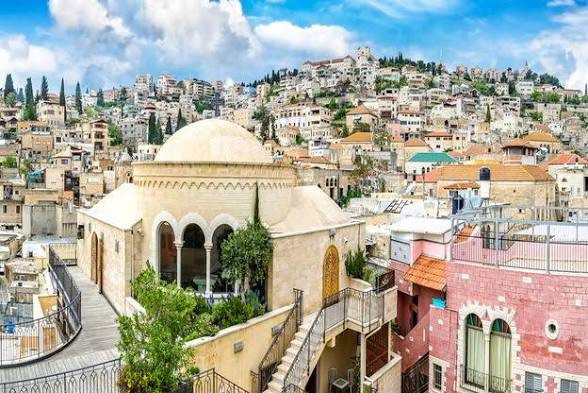
I long to see Nazareth, where He grew up.
I long to walk through Galilee.
I long to see the gardens and olive trees.
I long to stand in Jerusalem and look upon the city through the eyes of the Jewish man who walked its streets, taught in its Temple and wept over it.
I want to encounter the landscape of His life — not through the lens of modern politics, but through the eyes of Christ.
Because if I am going to walk in the footsteps of Christ, I have to walk in His footsteps — not in all the footsteps that men have made since.
That doesn’t mean rejecting everything that came after Him.
It means constantly asking myself: What did Jesus actually do? How did He live? What mattered to Him? What did His world look like?
And perhaps that is the tension I never expected when I came to Him.
I didn’t really find Christ.
Christ found me.
And understanding how to hold my love for Him, the Jewishness of His life, the festivals and rhythms that shaped His world, and the places where He walked alongside the suffering happening in that same part of the world today has been much harder.
I don’t have it neatly reconciled.
Maybe I don’t need to.
I just know that I love Jesus.
And I still long to walk where He walked.
Discover more from The Daughter at the Well
Subscribe to get the latest posts sent to your email.
 The Daughter at the Well
You must be logged in to post a comment.