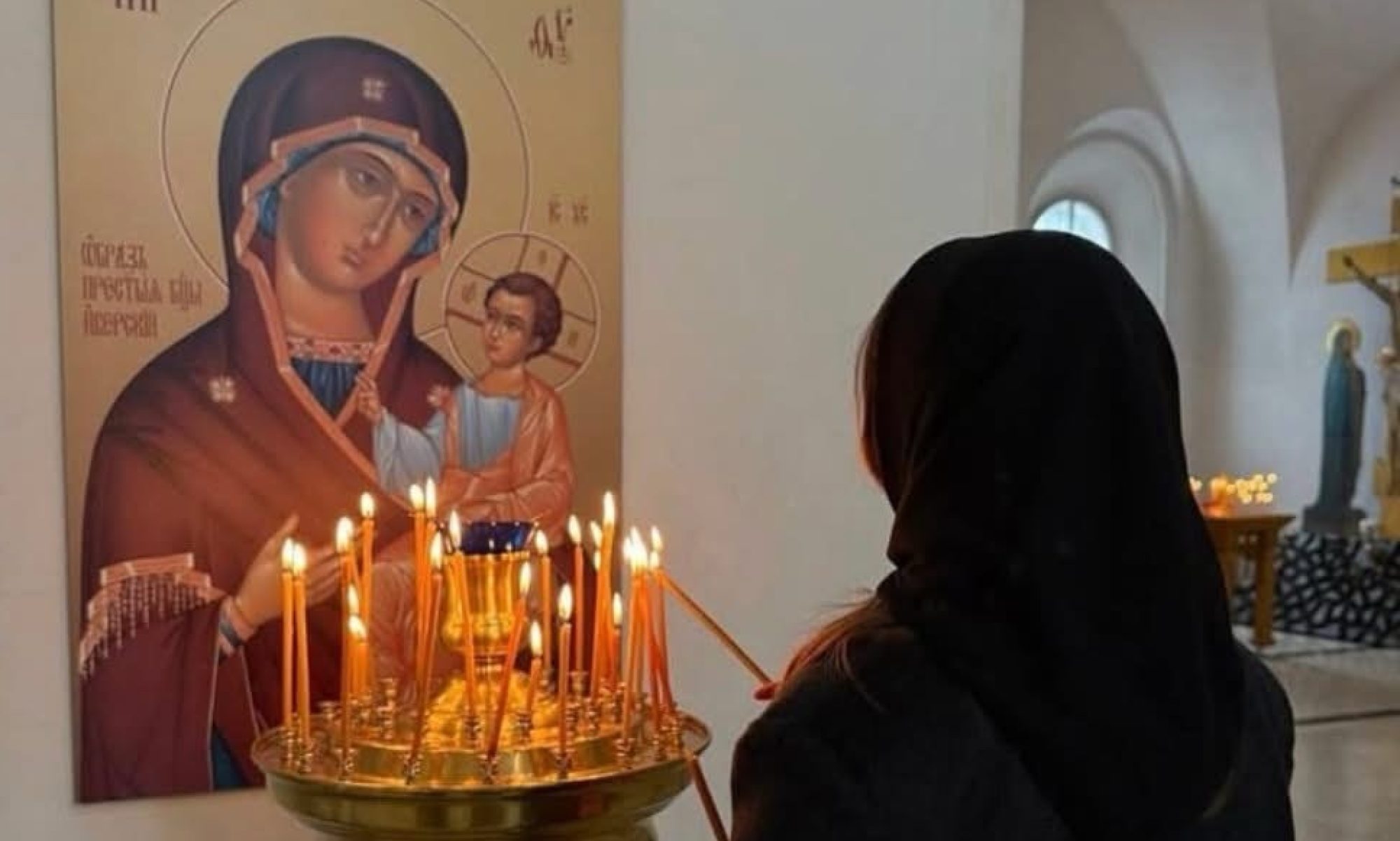

You know, something I’ve been reflecting on lately is how much posturing there is in religion and spirituality, particularly in the West.
I was pagan for years, and honestly, there is so much online cosplay within paganism and spirituality. And then I experienced Islam, and I found much of the same thing there. And you see it within Hinduism too. It’s predominantly Western white women taking these ancient religions and traditions and creating an online version of them that, quite often, bears very little resemblance to how those religions are actually lived.
As a simple example my ex-husband’s family are Brahmin Hindus that live in Nepal, and the difference between how Hinduism is practised there and how it is often presented and practised by Western converts is enormous. It’s the same with Islam. There is a huge difference between living a religion and creating an identity around looking like you live that religion.
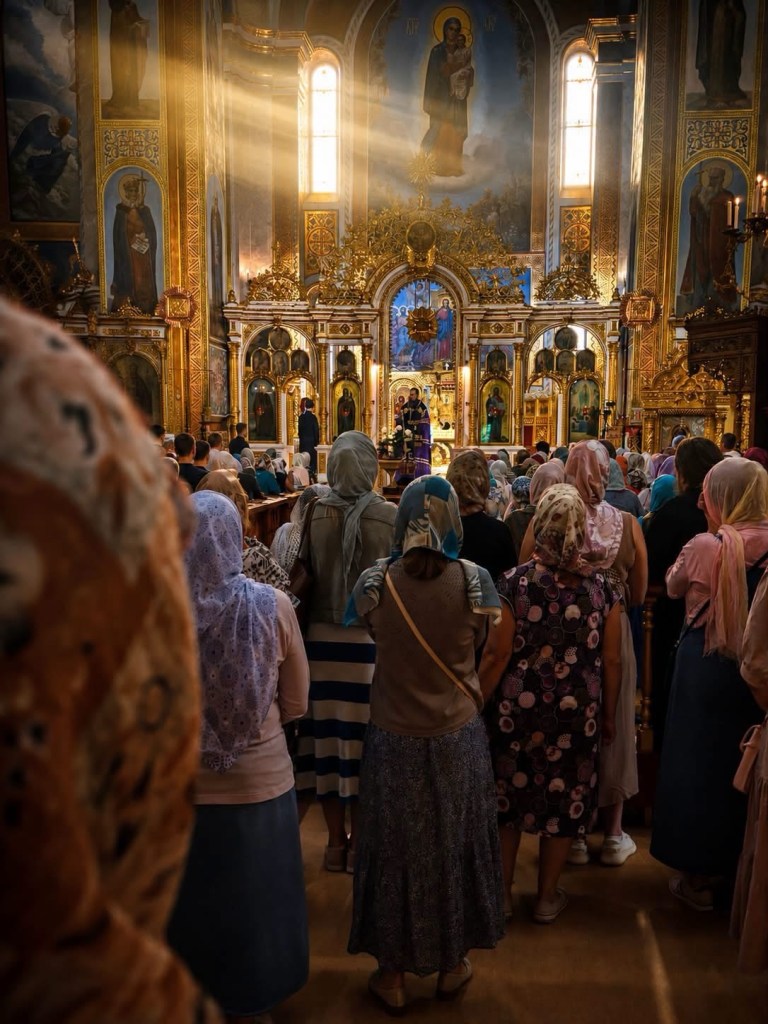
And I think that’s one of the things I’ve come to love most about Orthodox Christianity.
There is no need for the cosplay.
There is no need for the performance.
There is no need to constantly show people what you believe, what you wear, what you eat, what you pray with, what your home looks like or what your spiritual practice looks like.
It’s stripped right back to the basics.
Prayer. Repentance. Worship. Scripture. The sacraments. And ultimately, God.
And I think that’s where you really find the connection — when you drop the ego.
Because so much of it is egoic, isn’t it? Look at me. Look what I’m wearing. Look what I practise. Look how spiritual I am. Look how devoted I am.
But who are we actually doing it for?
I think there’s a real peace that comes when you let go of the need to be seen by anybody except God.
When you stop performing your faith for the world and simply start living it for God.
And perhaps that’s where the real connection begins — when there’s no audience anymore.
Because eventually you have to stop asking, “Do I look like I’m living the faith?” and start asking, “Am I actually living it?”
There’s a huge difference between looking the part and living the part and that’s where the authentic connection and peace is.


 The Daughter at the Well
You must be logged in to post a comment.