
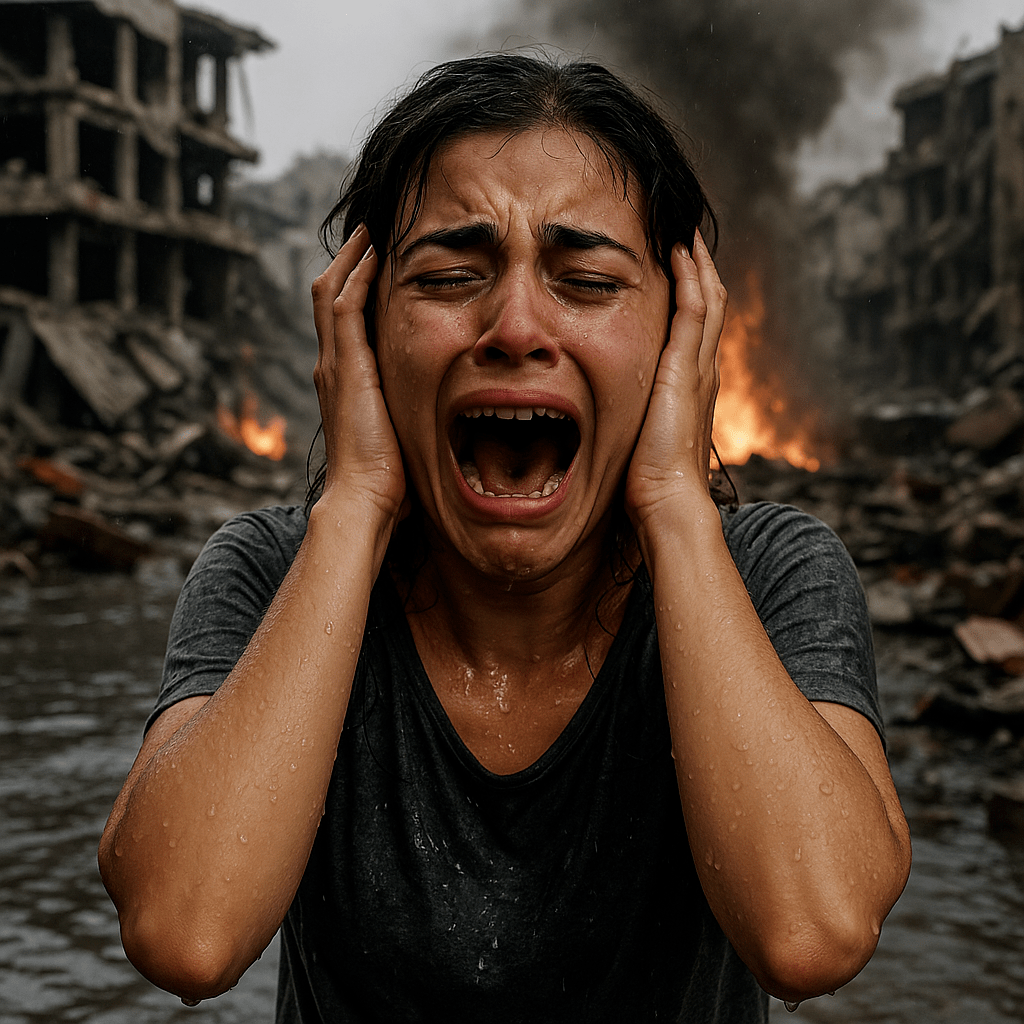
I’ve been thinking about this so much. It’s now been more than 640 days since the genocide began on October 7, 2023—over a year and eight months of devastation now playing out openly. In that time, countless voices—from UNRWA, global healthcare leaders, human rights advocates, legal experts—have stood up and declared: this is genocide. Yet our governments persist in refusing to acknowledge it.
I have to believe that those who deny it are in the minority—because if they were the majority, then humanity is lost, quite frankly. It also means we’re closer than we should be to complete moral collapse.
And yet, what do we see instead? People making effigies, burning boats, sanctioning violence against helpless children at airports—slamming them to the ground into comas—just because of where they’re from. Who is fuelling this hate? Why is it not being challenged openly by our governments? And most shockingly—why is Israel being allowed to commit genocide live on our screens, with no accountability, no consequences, and total impunity?
What is it our governments refuse to see? Do they think these videos and images are fabricated? Or do they simply believe this is “war”—the way war has always been, and they’ve become numb to horror? Do they not realise this is new: the first time we are watching genocide as it happens, in real time.
How many more tragedies must we witness this way before it becomes too late to stop it? This alone is why I don’t soften the language—I refuse to treat genocide like it’s just another conflict. Because to live another day using the word war—when humanity itself is at stake—is beyond forgiveness.
So what’s the Real Reason People Don’t Change – And Why It’s So Dangerous Now
I’ve been thinking a lot about something I just witnessed — and really, something I keep seeing over and over in society. It’s this deep resistance people have to being challenged. Especially when it comes to their beliefs, their politics, their culture — their sense of what’s “right.” The minute you try to correct them or offer another way of seeing things, something switches inside them. It’s like you’re not just disagreeing — you’re insulting them. And suddenly, they become rude, defensive, aggressive.
But I don’t think it’s about rudeness on the surface. I think it comes from a much deeper place — a kind of insecurity. Maybe from childhood, from being told they weren’t smart enough. Maybe from fear. Maybe from a lifetime of tying their worth to being right. And when that’s the case, any challenge to what they believe feels like you’re telling them they’re stupid. That they’ve failed. And that’s when the ego steps in.
Some people live their whole lives not knowing this is what they’re doing. Others do know, but they cover it up with a loud persona — ego, arrogance, even superiority. You see this a lot among the wealthy, among people with power. But honestly? It’s not just them. You see it across all classes. Especially in people who lack self-awareness, who can’t sit with being wrong.
And I genuinely believe — hand on heart — that half of society’s problems today come from this.
This inability to say, “You might be right. Let me think about that.”
This unwillingness to be uncomfortable.
This fear of having your worldview shaken — even when your worldview is harming people.
We see it most painfully right now with this genocide happening in Gaza. People who are wide open, deeply informed, and morally awake are screaming: This is ethnic cleansing. This is mass murder. This is apartheid. And yet we are met — again and again — with blank stares, with arguments, with people saying “No, it’s complicated. We support Israel.”
It’s like watching two different realities play out.
And the question I keep asking is:
How do we get these people to open their eyes — without triggering their defensiveness?
How do we speak truth without it sounding like an attack?
It’s hard. It’s exhausting. And sometimes it feels impossible.
But I’ve learned a few things.
You don’t change minds by force. You plant seeds. You speak clearly, but not with cruelty. You ask questions instead of throwing accusations — not because they don’t deserve confrontation, but because if the goal is change, shame doesn’t always get you there. And most of all, you speak not just for them — but for the ones who are listening quietly. The ones who are still open.
Because maybe they’re the ones who will carry the truth forward when others refuse to hear it.
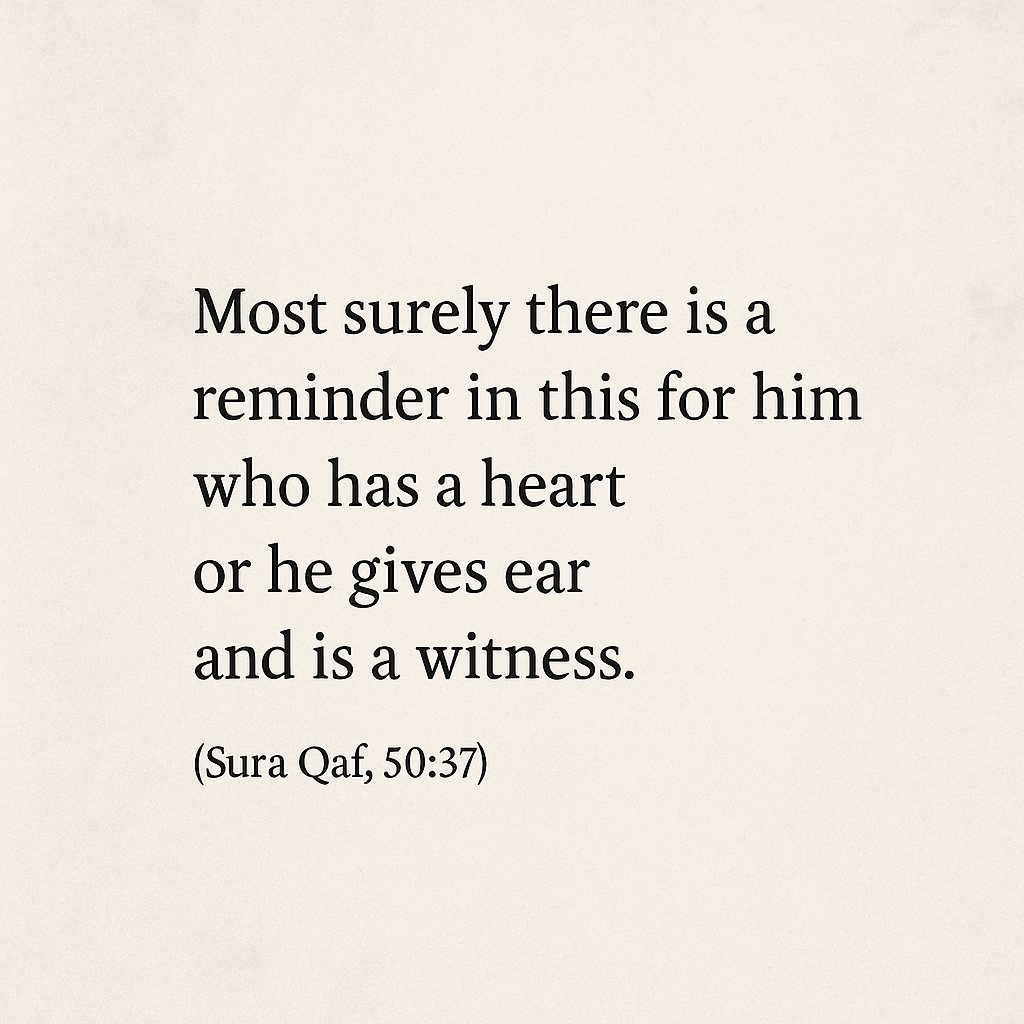








 Seeking Sakina