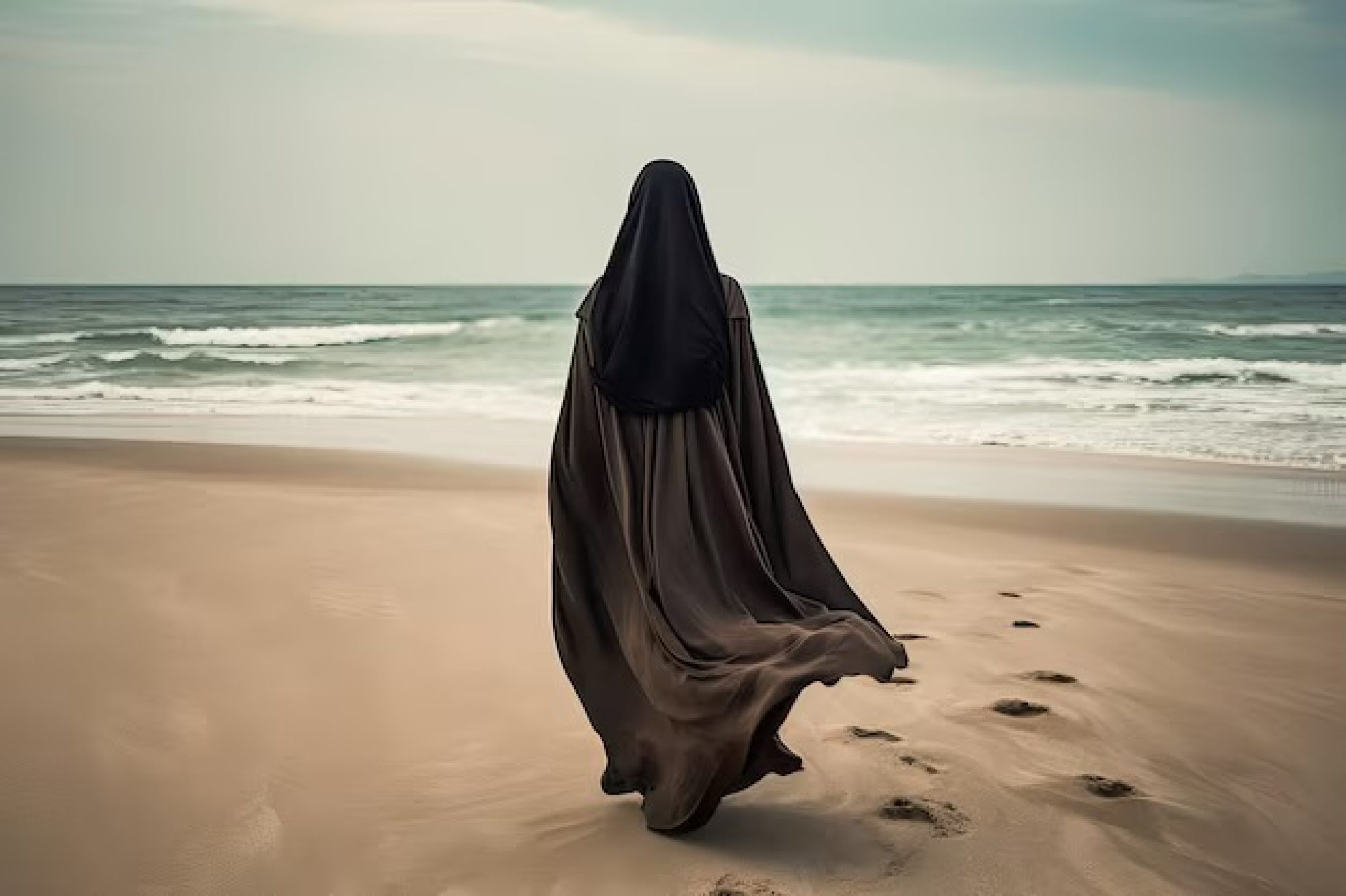

So I’ve been struggling with my iman recently, as many of us do time to time and I have decided to work on that connection by reflecting upon the names of Allah to deepen that bond and increase my knowledge.
Some recent events have made me choose the following for a very specific reason. It’s easy to fall into the trap thinking we are not being watched when we don’t wear the hijab or we choose not to pray or when we speak or act in a way that doesn’t align with our usual self or morals but we are seen and our actions are witnessed;
God is always watching over you (4:1)
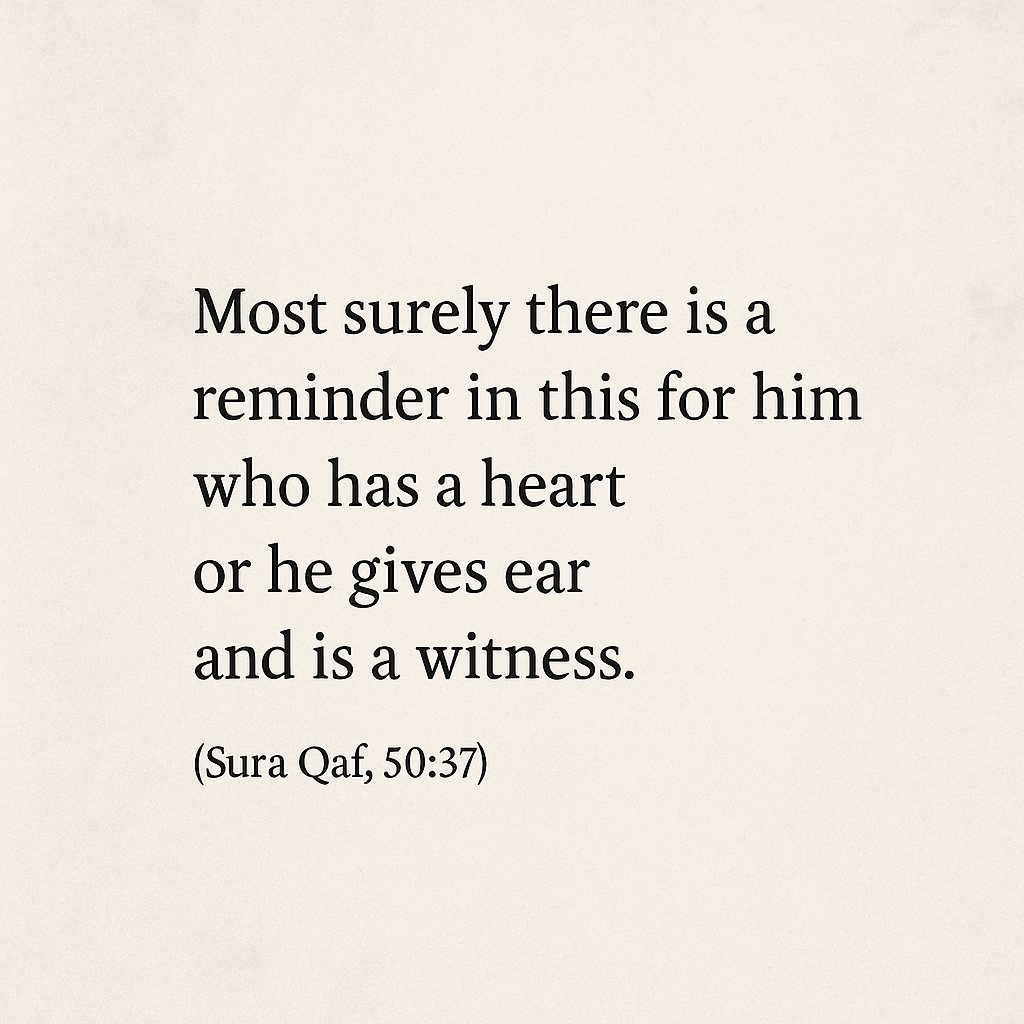
Among the beautiful Names of Allah are al-Raqīb — the All-Observant, and al-Shahīd — the Witness. These two Names remind us of a profound truth: Allah is always present, always aware, always watching over His creation. The Qur’an tells us, “And be patient, for indeed, you are under Our watchful Eye” (52:48). In another verse, Allah asks us gently but firmly, “Does he not know that Allah sees?” (96:14).
Al-Raqīb is the One who observes every detail, nothing escapes His care or His knowledge. He is not only the Watcher from afar, but the One who holds all things in His gaze with wisdom, precision, and mercy. Al-Shahīd is the One who bears witness — to our actions, our words, and even the quietest whispers of our hearts. He is the ultimate Witness who will testify to all that has passed on the Day of Judgment.
Yet, alongside this watchfulness and testimony, Allah is also al-Laṭīf — the Subtle, the Gentle, the Kind. His watching is not cold or harsh, but full of care. His witnessing is not simply record-keeping, but an expression of His closeness and concern for us. To know Him as al-Raqīb and al-Shahīd is to never feel abandoned or unseen. We are, at every moment, under His compassionate gaze.
When we remember these Names, we are invited into the practice of murāqabah — spiritual mindfulness, the awareness that Allah is near, that He sees and knows what is within us. This awareness is what nurtures ihsān, the state of worshipping Allah as if we see Him, and if we cannot see Him, knowing with certainty that He sees us.
Living with this consciousness softens us. It encourages us to guard our thoughts, our words, and our deeds — not out of fear alone, but out of love, reverence, and gratitude. It reminds us to be responsible and caring, especially toward those whom Allah has entrusted to us — our families, our neighbours, even the blessings and property in our care. Just as Allah is the Watchful and the Witness, we too are called to be mindful and trustworthy in our daily lives.
And so, these Names do not burden us — they free us. They remind us that we are never alone. Every sigh, every effort, every tear, and every silent prayer is seen, heard, and remembered by the One who is the All-Observant, the Witness.
But this awareness also poses gentle questions to us:
How mindful are we of our everyday actions? How careful are we with the words we release into the world? How sincere are the intentions we carry in our hearts? And how present are we with Allah, the One who is always present with us?
In remembering al-Raqīb and al-Shahīd, may we learn to live with greater consciousness, greater sincerity, and greater love — under His ever-watchful, ever-compassionate eye.






 Seeking Sakina