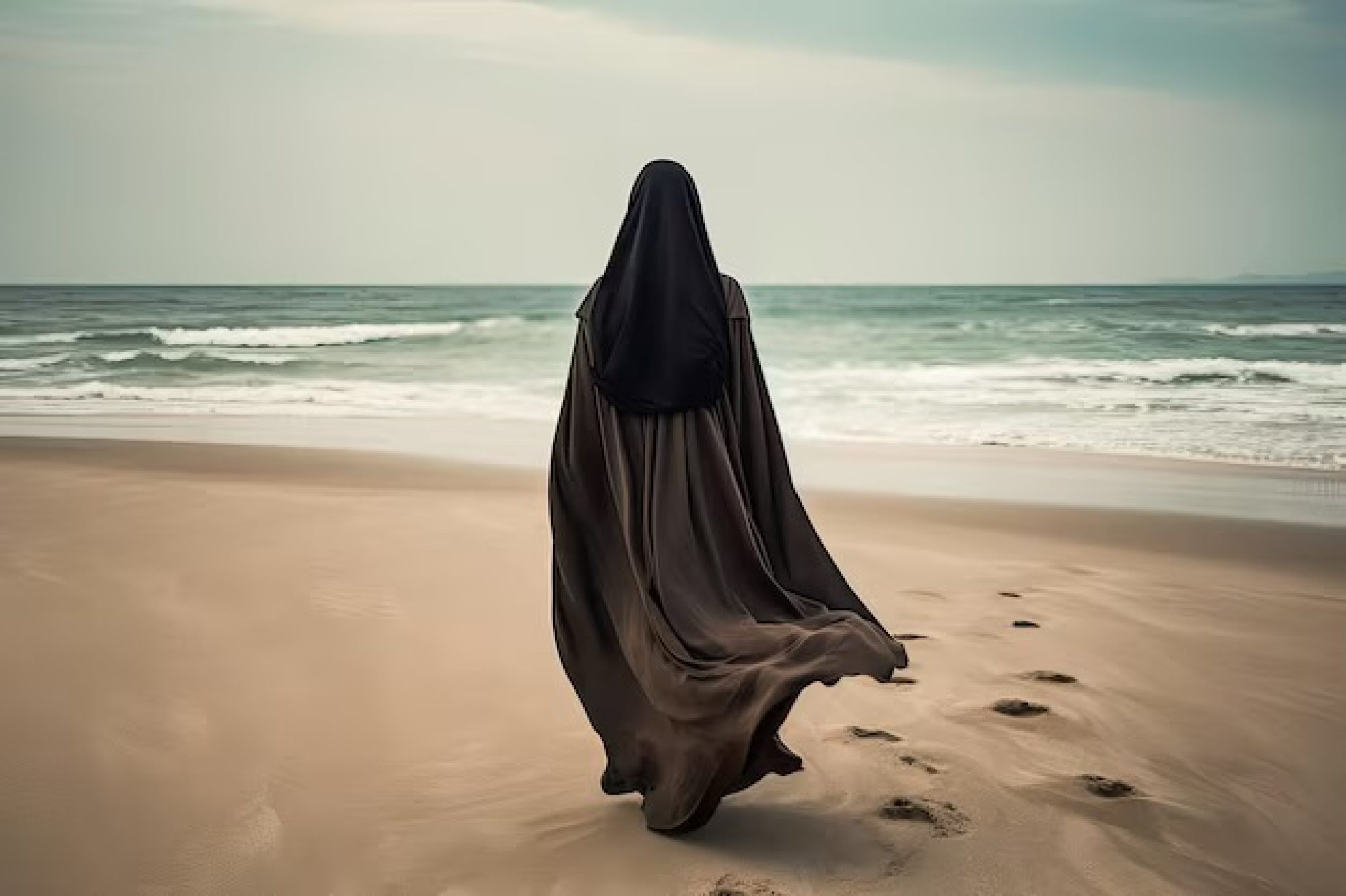
Gifting ourselves Grace

As we come to the end of the first week and the first Friday of Ramadan, it’s a really good time to remind ourselves that the Prophet Muhammad (peace be upon him) said,

“The deeds most loved by Allah are those that are consistent, even if they are small.”

This beautiful reminder invites us to focus not on the grandness of our actions, but on their consistency. During Ramadan, we often strive to be the best version of ourselves, praying more, fasting with devotion, and giving more in charity. But sometimes, despite our best intentions, we may feel that our efforts fall short or aren’t as grand as we hoped.

It’s important to remember that Allah doesn’t measure our efforts by their size, but by their sincerity and consistency. Even the smallest of good deeds, done regularly, hold immense value in His eyes. Whether it’s a few moments of quiet reflection, a short prayer, or a small act of kindness, these simple, consistent efforts are beloved to Allah.

And when we stumble, as we all inevitably do, we are reminded that it is not about perfection. It is about returning to Him, again and again, with sincerity and humility. Allah loves those who turn to Him in repentance, seeking His forgiveness.

He is ever merciful, always ready to embrace us when we pick ourselves up. So, during this blessed month, let us give ourselves grace.

Let us focus not on being perfect, but on being consistent in our efforts, no matter how small. Each time we fall, we rise again, trusting in Allah’s boundless mercy and His love for those who strive to return to Him.
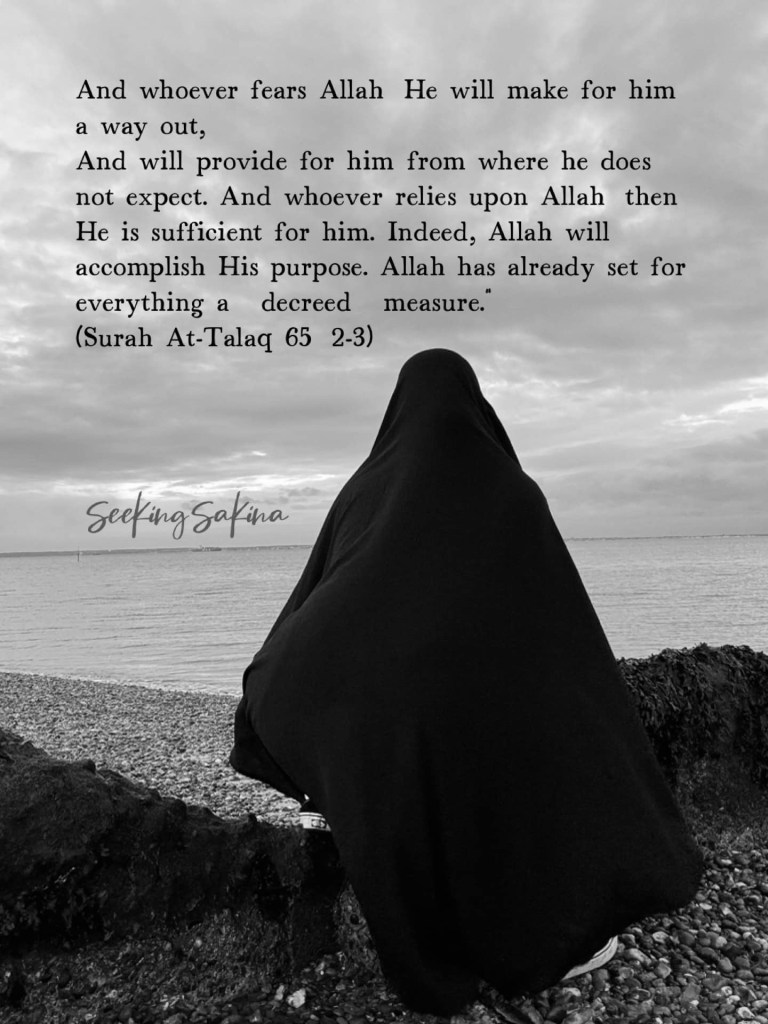
Fear Of Allah

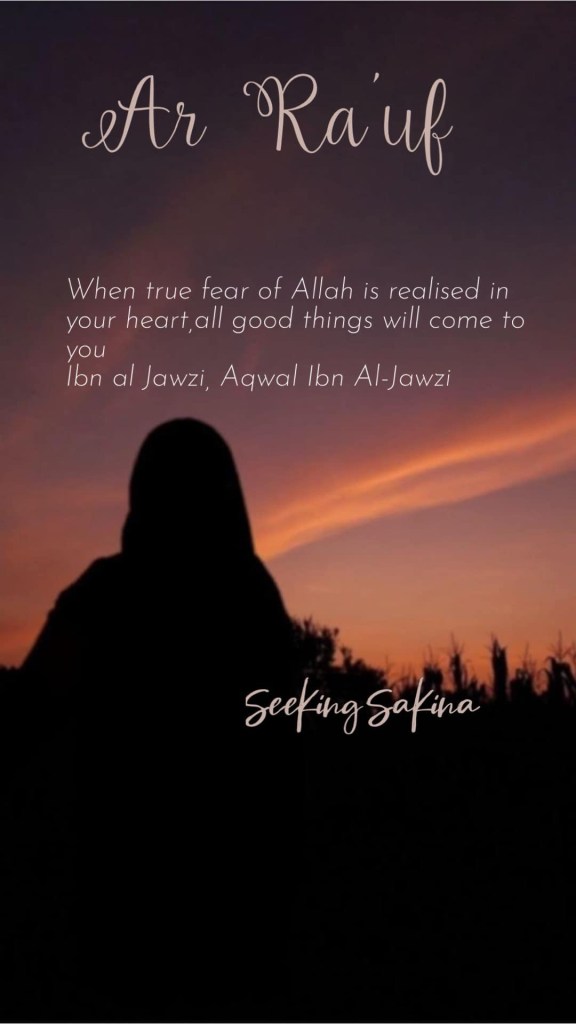
The Fear That Brings Us Closer to Allah

As we sit in the quiet of Suhoor, the world still wrapped in slumber, there’s a certain serenity in this moment—a time of reflection, renewal, and drawing closer to Allah. In these early hours, as we prepare for the day’s fast, our hearts naturally turn toward Him, seeking His mercy, His guidance, and His love.

But for many of us—especially reverts, and even those born into Islam—the concept of fearing Allah has been presented in a way that feels overwhelming. From the stern warnings in sermons to the community’s intense focus on punishment, the message can sometimes feel more like an unrelenting weight than a path to peace. Instead of leading us to Allah, this fear can make us feel as though we are constantly falling short, never good enough, never worthy.

Yet, this is not the fear that Allah wants for us.

True fear of Allah is not about being terrified of Him. It is not about feeling doomed with every misstep or drowning in guilt. It is a fear born out of love—a fear of losing His closeness, of allowing our hearts to grow distant from Him. It is the kind of fear that makes us mindful, that humbles us, that reminds us to return to Him even after we falter. And the most beautiful part? It is this very fear—the fear of losing His love—that causes Him to love us even more.

Allah describes these special people in the Qur’an:

“Indeed, they who are apprehensive from fear of their Lord,

And they who believe in the signs of their Lord,

And they who do not associate anything with their Lord,

And they who give what they give while their hearts are fearful because they will be returning to their Lord—

It is those who hasten to good deeds, and they outstrip [others] therein.” (Surah Al-Mu’minun 23:57-61)

This is the kind of fear that does not paralyze us—it moves us. It makes us race toward goodness, toward prayer, toward forgiveness. It does not make us feel hopeless; it fills us with purpose. And it exists alongside hope, in perfect balance, like the two wings of a bird—one wing of hope, one wing of fear—both necessary to reach Allah.

For Allah is Ar-Ra’uf, the Most Kind, the One whose mercy is gentle and encompassing. His kindness is not harsh; it does not push us away but draws us in. He corrects us with love, guides us with wisdom, and forgives us with an endless generosity that no sin can outweigh. When we fear losing His closeness, it is His kindness that reassures us, that tells us He is always near, always ready to welcome us back.

As we journey through this blessed month of Ramadan, let our hearts be filled with this balance. Let our fear be the kind that draws us closer, that makes us strive harder, that softens rather than hardens. And above all, let it remind us that no matter how many times we turn away, His love remains, always waiting for us to return.

May we spend today mindful and with a heart full of love, hope, and the kind of fear that brings us only closer to Him.

Live for your Akhirah

What if If You Lived Only to Please Allah ??

What if, for just one day, you lived as though nothing else mattered but pleasing Allah? Not the opinions of society, not the judgments of family or friends, not the expectations of the culture you were born into—just Him.

How would you truly live?

Would your prayers be different, whispered with more sincerity, stretched longer in devotion, unburdened by haste? Would your dress reflect not trends or pressure but a deep reverence, an expression of love rather than obligation? Would your speech soften, carrying only truth, kindness, and remembrance of Him?

Would you walk through this world lighter, unattached to its fleeting concerns, unshaken by its praise or criticism? Would your heart find peace in knowing that nothing—no approval, no validation, no worldly success—compares to His pleasure?

I understand that in the society we live in today, it’s not easy. We are constantly told how we should look, how we should behave, what we should believe. To stand out, to go against the tide, often invites ridicule, isolation, or judgment. The pressure to conform is immense, and the fear of being different can weigh heavily on us.

But at the end of the day, none of that truly matters. The only thing of real importance is our relationship with Allah—our Akhirah, our ultimate purpose of serving Him. The opinions of people fade, the world changes, but Allah remains. And when we meet Him, it won’t be society’s approval that saves us, but the sincerity of our hearts and the way we lived for Him despite the difficulties.

So, what’s stopping us from living that way today?

Gratitude

Gratitude, Taqwa, and the Love of Allah

Taqwa is not just about avoiding sin—it is about living with a heart fully aware of Allah’s generosity, kindness, and support in every moment of our lives. It is about recognizing that He is Al-Razzaq, the One who provides; Al-Hamid, the One most deserving of all praise; and Ash-Shakoor, the One who appreciates and multiplies even our smallest acts of gratitude.

Allah’s love surrounds us in ways we often overlook. He blesses us, sustains us, and grants us both seen and unseen gifts. When we become conscious of these blessings, our hearts overflow with an overwhelming sense of appreciation. Allah Himself links worship to gratitude:

“So worship Allah and be grateful to Him.” (Qur’an 39:66)

Our purpose in life is to worship Him, and true worship is incomplete without gratitude. Ramadan is a time of deepening that connection—a month where we purify our hearts and cultivate taqwa. But for those who are unable to fast, it’s important to remember that you do not need to wait for absence in order to appreciate. Gratitude is not just about recognizing what we lack—it is about seeing the blessings present in our lives at every moment.

The most grateful person is not the one who only appreciates in hardship but the one who is grateful in both the presence and absence of things, in times of both ease and difficulty. Because true gratitude is a choice—one that transforms the soul. Allah tells us in the Qur’an:

“If you are grateful, I will surely increase you [in favor].” (Qur’an 14:7)

The more you thank Allah, the more your eyes will see the hidden, forgotten blessings in your life. Gratitude is not just about thanking Allah for what He has given, but also for who He is. It means thanking Him for the health of our children, our homes, our sustenance—for the big blessings and the small ones. But also for the things He withheld, or the mistakes He covered, for the paths He gently redirected us from, even when we desperately wanted them.

“If you were to count Allah’s blessings, you would not be able to enumerate them.” (Qur’an 16:18)

And what is the greatest blessing of all? Faith. The ability to know Him, to turn to Him, to be loved by Him. Without taqwa, there is no true relationship with Allah. And if there is no relationship with Allah, there is a void that we will try to fill with everything from this dunya that is not good for us—things that will only take us further from Him.

So this Ramadan, let gratitude be your act of worship. Whether you are fasting or not, allow your heart to be filled with appreciation for the kindness that has encompassed you since you were small—for the moments of joy, for the tests that strengthened you, and for the gift of knowing Allah. Because in that gratitude, you will find your way back to Him.

LOVE….LOVE…LOVE

Today is about love—the love of Al-Wadud, the Most Loving. It’s about reaching deep into our journey this Ramadan and recognizing the love Allah has placed around us. When you pause and truly look, what do you see? Maybe it’s the golden hues of the sunset, the laughter of a child, the gentle presence of your pet, or the vast stillness of the night sky. Every bit of beauty in this world is a reflection of His love. And that includes you.

Allah created you with love and care. You were shaped by the same Lord who perfected the heavens and the earth. He says in the Qur’an:

“It is He who forms you in the wombs however He wills. There is no deity except Him, the Exalted in Might, the Wise.” (Qur’an 3:6)

You are here because He willed it. Because you matter. Even if the love of this world has let you down, even if you have felt unseen or uncherished, know this: You are loved by the One who never fails in His love. The One who has always been with you. The One you will return to.

And with that certainty—that Allah loves you—we must take responsibility for all the ways we may have failed to love Him, ourselves, and those around us. Ask yourself: Have I neglected my heart? Have I held onto things that keep me distant from Him? Have I failed to show love to those He has placed in my life?

Reflecting on this might be painful, and that’s okay. The past is not there to shame you; it is there to teach you. There is no failure, only beautiful lessons waiting to be embraced. Because Allah is not looking for perfection—He is looking for sincerity. He is looking for the heart that turns back to Him, no matter how many times it has strayed.

So take these lessons and move forward on this journey of Taqwa—of drawing closer to Allah in love and consciousness of Him. Focus on that certainty that Allah loves you. Let it settle deep within you and let it transform you. With His love, you can change the way you love yourself, the way you love others, and the way you love Him.

And know this: The highest form of love is Taqwa—to worship Allah with a heart fully aware of Him. When you live in that awareness, every other kind of love in your life will be transformed. Your heart will soften, your relationships will deepen, and your soul will find peace.

So today, let love in. Let yourself be loved by Al-Wadud. Let that love heal you, uplift you, and remind you of your worth. Because you are seen, valued, and deeply, unconditionally loved by the One who created love itself. And His love for you never wavers.

Sharing love and blessings.

In Ramadan, the month of mercy and transformation, every act of goodness carries even greater weight. When we give, forgive, and help others during this sacred time, we are not just purifying our hearts—we are also planting seeds of blessings that will return to us in ways we cannot always see but will always feel.

Imam Ali (AS) beautifully said: “When you do good to others, you do good to yourself.” (Ghurar al-Hikam). This reflects a deep truth in Islam: the kindness and generosity we show are never lost. Every moment of charity, every sincere prayer for another, every time we hold our tongue instead of speaking harshly—all of it comes back to us, bringing peace to our hearts and barakah into our lives.

Allah Himself reminds us:

“Is the reward for good [anything] but good?” (Qur’an 55:60)

And what better time to embody this than in Ramadan? The Prophet (PBUH) was at his most generous in this month, teaching us that Ramadan is not just about fasting—it is about giving more, loving more, and becoming more merciful.

So, as you move through this blessed month, know that every kindness you offer—whether it’s feeding someone at Iftar, making du’a for a loved one, or even just offering a smile—will return to you in ways only Allah knows. Keep doing good, and trust that the Most Generous will never let it go to waste.

Ramadan is so much more than fasting

For years, I watched Ramadan pass by without being able to fast. Each year, I felt the ache of longing, the quiet sorrow of being unable to partake fully in what felt like the heart of the month. I told myself that Ramadan is about so much more than fasting—it is about devotion, reflection, and service. I prayed, I gave, I sat in dhikr, and I reminded myself that Allah does not burden a soul beyond what it can bear. And yet, deep down, I still wished I could fast.

Then, this year, I was finally allowed. Tentatively, with raised eyebrows from my medical team, I stepped into Ramadan with hope. I woke for Suhoor, felt the familiar dryness in my throat as the day stretched on, and anticipated the sweetness of breaking my fast at Maghrib. But by the evening of the second day, I was rushed into the hospital. My body, despite my will, was suffering. And there, as I lay in that sterile room with monitors beeping around me, I was told the words I had feared: fasting was hurting me.

I felt my heart sink. But in that quiet moment, I also felt something else—a whisper of realization. Ramadan is not just about fasting; it never was. It is about surrender. It is about obedience—not just in sacrifice, but in listening when Allah tells us to care for ourselves. It is about deepening our devotion in whatever way He has made possible for us.

If I could not fast, then perhaps my role in Ramadan was something else. Perhaps my test was to trust that my worship was just as valuable, even if it looked different. I could still wake for Suhoor, not to eat but to pray. I could still sit at Iftar, not to break a fast but to join in gratitude. I could still give, still reflect, still draw closer to Allah in the ways He had left open for me.

So to those who cannot fast, I see you. I know that sadness, that longing. But I also know that Allah sees you, too. Your Ramadan is no less meaningful, no less blessed. Worship is not one path; it is many, and Allah, in His infinite mercy, has already carved one just for you.

Sunshine

How often have you met someone and thought to yourself ..” wow that person is sunshine in human form “ I know I have.

“The warmth of sunshine is like happiness—you cannot hold it, only feel it.
Just as the sun rises after darkness, Allah’s mercy and hope always return.
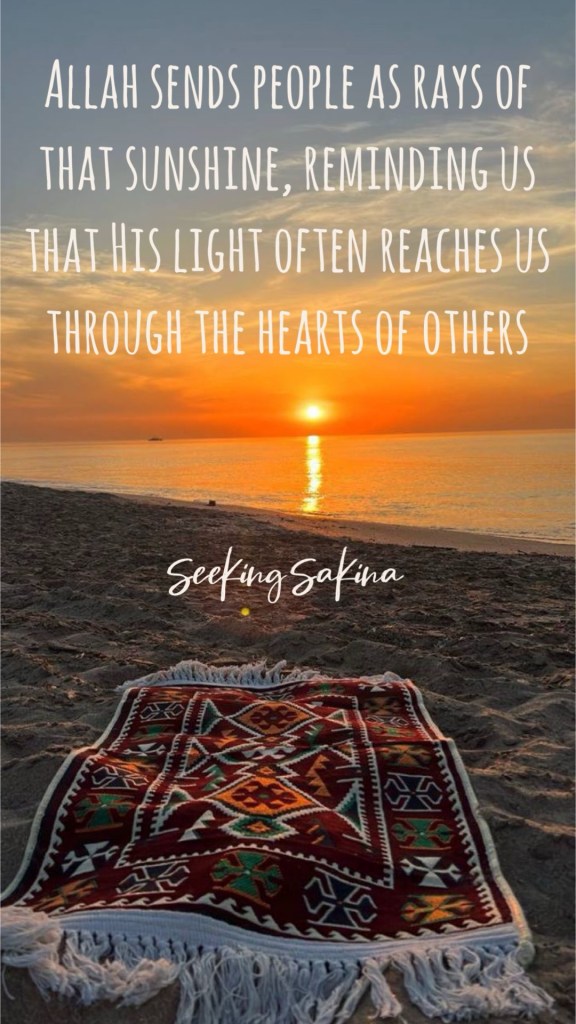
And sometimes, He sends people as rays of that sunshine, reminding us that His light often reaches us through the hearts of others.


As Allah says in the Qur’an, ‘Indeed, there has come to you from Allah a light and a clear Book.’ (Qur’an 5:15). This light, or noor, shines through the hearts of those who carry His guidance. It reflects on their faces, a light that stems from their souls—a divine illumination Allah places within them, radiating peace, kindness, and sincerity to all who cross their path.”
©️SeekingSakina2025

The heart of Ramadan

Ramadan is a time of turning inward—a month of reflection, renewal, and drawing closer to Allah. It is a time when the distractions of the world fade, and we are given the opportunity to cleanse not only our bodies but our hearts. As we fast, pray, and seek His guidance, we begin to see the world differently, through the lens of faith and sincerity.

They say you will see in the world what you carry in your heart. If your heart holds gratitude, you will find blessings in even the smallest moments. If it carries love, you will see kindness reflected all around you. And if it carries faith, even the darkest trials will reveal signs of Allah’s mercy.

But the heart is not always steady—it wavers, it breaks, it becomes clouded by doubt. Yet, Allah, in His infinite wisdom, can place within it exactly what you need to see the world differently. He can fill it with patience when life feels uncertain, with hope when all seems lost, and with light when everything feels dark.

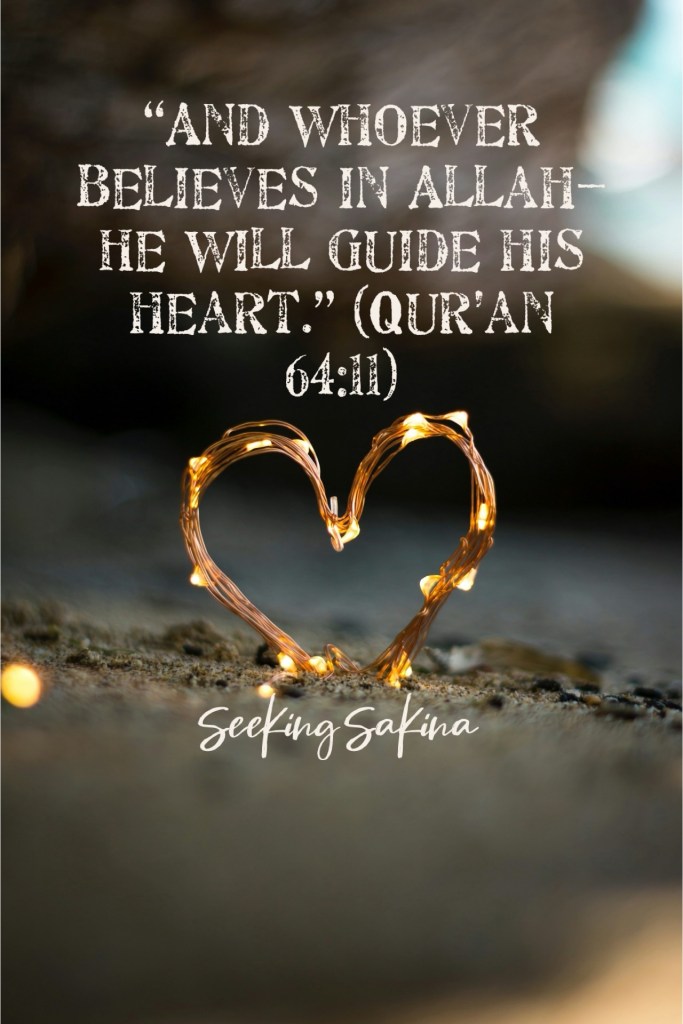
“And whoever believes in Allah—He will guide his heart.” (Qur’an 64:11)

Ramadan is a reminder that when you turn to Him, He transforms your heart, and in doing so, He transforms the world you see.

Day 1 Ramadan 2025

Day 1 Ramadan

Allah as Al-Latif: The Most Subtle, The Most Gentle

In both Islamic spirituality and holistic healing, Al-Latif represents the unseen yet deeply transformative ways in which Allah provides healing, comfort, and sustenance. His care is like a soft breeze—gentle yet powerful, working beyond our awareness to nurture our hearts, minds, and souls.

Al-Latif and Emotional Healing

Just as Allah understands the unspoken grief and silent struggles within us, holistic healing emphasizes the importance of subtle energies in emotional well-being. Allah’s lutf (gentleness) mirrors the effects of calming therapies—like energy healing, aromatherapy, and meditation—that soothe the nervous system and promote inner balance.

Al-Latif and Physical Healing

The body often holds onto stress and trauma in ways we may not consciously recognize. In holistic healing, gentle therapies like Reiki, acupuncture, and crystal healing work in subtle yet profound ways—much like how Allah’s mercy heals us in ways we may not see immediately. He provides relief not only through medicine but also through nature, diet, and rest, all of which are part of His divine wisdom.

Al-Latif and Spiritual Healing

Deep spiritual healing happens through unseen means—prayers answered in ways we never expected, guidance that comes at just the right moment, or a sudden sense of peace in hardship. Just as rose quartz is known for its soft, nurturing energy that promotes healing and self-love, Al-Latif brings a divine gentleness to our spiritual journey, helping us heal wounds we may not even realize we carry.

Quranic Reflection

“And be patient, for indeed, Allah is with those who are patient. And do not grieve over them or be in distress over what they conspire.”

— Surah An-Nahl (16:127)

This verse reminds us that Allah’s lutf is always present, guiding us toward healing, whether we feel it immediately or not. Like holistic healing methods that work on deep, unseen levels, Al-Latif heals our souls in ways beyond our comprehension. Trusting in His subtle kindness allows us to embrace patience, knowing that relief, healing, and peace are unfolding in divine timing.

©️seeking sakina 2025