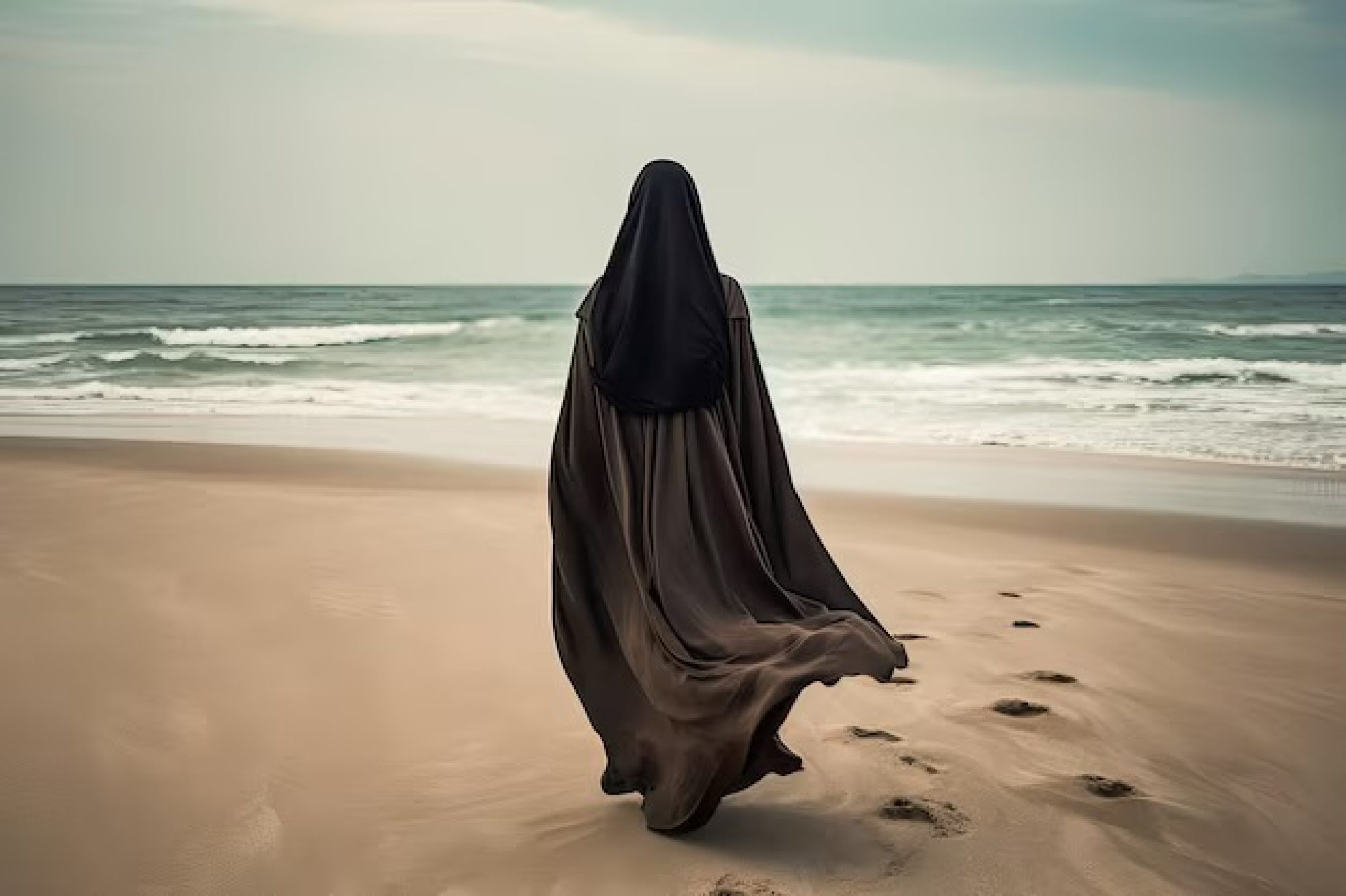
It’s been a while but….
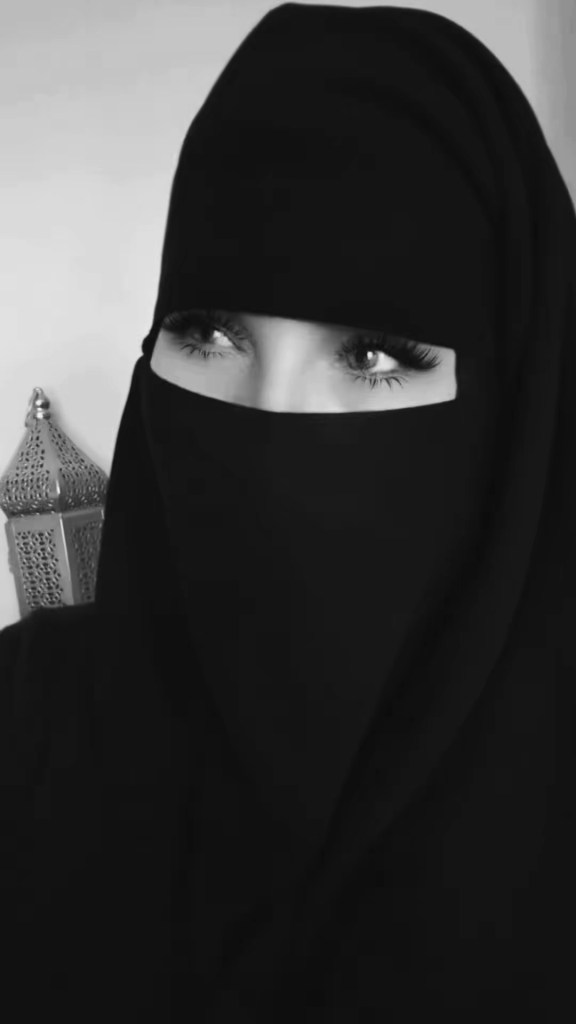
You know how we outgrow things? When I first began my journey in Islam many moons ago, I chose a name that felt right for me at the time—Asiya Bee. It held meaning then, it held comfort, and it reflected the version of me who was just beginning to find her way.
But over the years, my path has unfolded in ways I could never have predicted. At times, Islam has challenged me—loudly. It has pushed me, stretched me, and brought me face to face with parts of myself I didn’t always feel ready to confront. There were moments where I felt like I wasn’t good enough, not “Muslim enough,” moments where I questioned whether I could keep going, and even moments where I just wanted to walk away.
And yet, alongside those louder moments, there has been something quieter. A softness. A shaping. A gentle guidance that never left me, even when I felt distant. Islam didn’t just change my life—it became my anchor, especially in the most turbulent periods I’ve faced over the past few years.
One of the hardest parts of my journey wasn’t internal—it was external. It was the reaction of those closest to me. My family didn’t witness the gradual unfolding of my journey. They didn’t see the thoughts, the questions, the experiences that led me to Islam. They simply saw the result. After time apart, especially during COVID, I returned to them wearing an abaya and hijab—and for them, it must have felt like a shock they weren’t prepared for.
For my father especially, I can understand how it may have felt like a sudden rupture, something unfamiliar, even confronting. And I think that’s where a lot of the pain came from—not just difference, but a lack of understanding. What I experienced at times felt like rejection, even hostility, because my choice challenged their norms, their expectations, and perhaps even their beliefs.
But what people didn’t see—what they couldn’t see—was what Islam was doing within me.
The hijab, for me, has never simply been a religious obligation. It has never been just an act of worship in the outward sense. It became a form of protection—but not in the way it’s often misunderstood. Not protection from others, but protection of myself. When I wear it, I am reminded that I am governed by a moral code. Not one imposed by people, but one I hold myself accountable to.
It’s not about how others see me—it’s about how I carry myself, knowing that ultimately, the only one I answer to is Allah. It became a quiet discipline, a mirror, a reminder of who I strive to be every time I step outside my door.
And I won’t pretend it’s always been easy. There have been times I didn’t want to wear it. Times I tried to step back into my old life because it felt easier, because it meant less resistance, less judgment, less struggle. But every time I returned to that life, I found no peace there. Only a sense of emptiness, of self-destruction, of something missing.
And every time, I found my way back.
Because once those seeds of deen are planted, they don’t disappear. They need nurturing. They need patience. They need returning to, again and again. My journey hasn’t been linear—it’s been forward, backward, like a dance. But every step, even the ones that felt like setbacks, brought me closer to understanding.
When I found Islam, I didn’t just find a religion—I found meaning. It was like discovering the missing piece of a puzzle I hadn’t even realised I’d been trying to complete my entire life. Everything began to make sense in a way it never had before.
And this past Ramadan… it changed something in me.
I didn’t miss a single prayer. I fasted, even when my body resisted, even when I had been told I wouldn’t be able to. And through dua, through reliance on Allah, I found a strength that didn’t come from me alone. It was a turning point—a deepening of my connection, a quiet but undeniable shift in my heart.
And somewhere within all of this, I realised something else. I had outgrown my name.
Not because it was wrong, but because I had changed. I had softened. I had grown into something deeper, something more aligned with my faith.
And what feels almost surreal is that a name had come to me long before any of this—ten years ago, at a time when I wasn’t even Muslim. I remember it lingering in my mind, appearing in a conversation, staying with me without explanation. I thought it might mean something back then, but I didn’t understand it.
Now I do.
That name is Sumayyah.
A name that carries steadfast faith, courage, and a quiet, unshakable strength. A name that reflects resilience, conviction, and a heart anchored in belief. And in a way I can’t fully explain, it feels like it has been waiting for me to grow into it.
With Hidayah, meaning guidance, woven into it, it becomes even more personal. It reflects the unseen thread that has been present throughout my journey—the guidance that never left me, even when I struggled, even when I doubted, even when I stepped back.
And as my journey continues, so does my reflection on how I show up in this world. Whilst there are mixed opinions on the niqab, I’ve come to understand what it means for me personally. The niqab is the one place where I don’t feel veiled from the world—but instead, it feels like a veil with the world on one side, and me and Allah on the other. It brings me closer to Him. It creates a space of intimacy, of sincerity, of quiet connection.
I’m not here to impress the world. I’m here for the pleasure of Allah.
Sumayyah Hidayah doesn’t feel like a name I’ve simply chosen. It feels like a name that found me when I was finally ready to understand it.
It holds my journey within it—the struggle, the softness, the return, the growth, the faith. It reflects who I am today, and who I am still becoming.
And maybe that’s the beauty of Islam… that we are always evolving, always returning, always being guided—sometimes in ways we only come to understand years later.
Discover more from Seeking Sakina
Subscribe to get the latest posts sent to your email.
 Seeking Sakina