
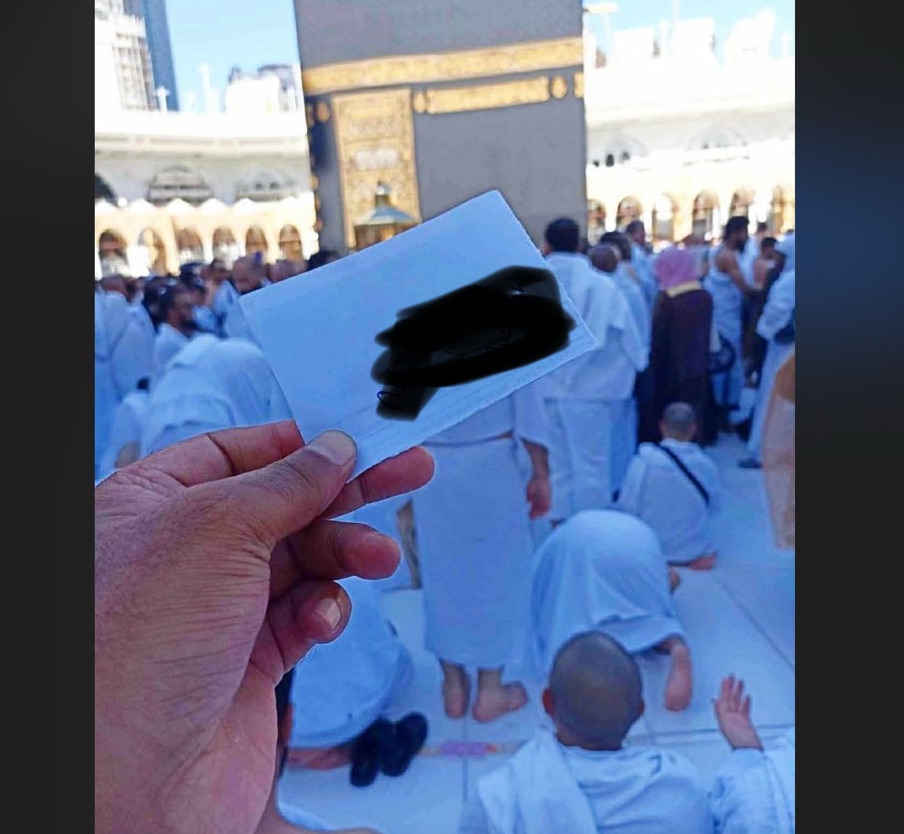
Some men engage in repeated, manipulative behaviors toward women that are deeply harmful and systematic. They pursue multiple women simultaneously, making promises of marriage or commitment in sacred or emotionally charged spaces, only to later gaslight and emotionally abuse these women.
When confronted or rejected, they often treat refusal as a challenge, intensifying their pursuit, as though relationships are a game to be won rather than partnerships grounded in respect.
Projection is common: they accuse women of jealousy, malice, or even spiritual corruption to deflect accountability, while deliberately pitting women against each other. Women with less confidence or fragile boundaries may internalize these narratives, believing that other women are scheming, and fall further into manipulation and division.
Some of these men cloak their manipulation in religion, claiming divine sanction for their actions. Men who do this in the name of Islam often have no true fear of Allah; their behavior directly contradicts the Quran, the rights of women, and the ethical guidance of the Prophet ﷺ. Islamic scholars are unanimous that abusing sacred spaces, such as the Kaaba, for personal gain, deception, or manipulation is among the gravest violations a person can commit.
The Kaaba is the most sacred site in Islam, meant for sincere worship, prayer, and reflection, and to exploit it as a tool for personal desire is considered one of the worst forms of disrespect and corruption of faith. Standing before the Kaaba with multiple women’s names on pieces of paper and sending these images to convince women that marriage or commitment is divinely guided is not faith—it is deception, coercion, and spiritual exploitation, behavior indistinguishable from that of disbelievers, making one a kāfir by action. Repeating this with multiple women on the same day compounds the abuse and demonstrates a willful perversion of sacred acts.
These patterns are often rooted in unresolved trauma from childhood, particularly in cultural contexts where guilt, shame, and emotional repression are normalized, such as in parts of Kashmir or Pakistan. Experiences of neglect, unprocessed grief, or family dynamics that reward stoicism while punishing vulnerability can produce men who are needy, emotionally immature, and unhealed. Early experiences of betrayal, unreciprocated love, or family-based trauma may remain unexamined, leaving them stuck in a mindset where their own suffering justifies punishing or controlling others.
From a mental health perspective, these behaviors align with traits of narcissistic and antisocial personality disorders, attachment disorders, and emotionally dysregulated behavior stemming from early trauma.
Such individuals lack empathy, manipulate others to meet their needs, and rationalize abusive behavior as harmless. Recognizing these patterns is critical for protection: women targeted by such men are not at fault for being manipulated, and education, support networks, and boundaries are essential for their safety and recovery.
The key takeaway is that these behaviors are not merely “bad character” or poor judgment—they are part of a recognizable psychological pattern, compounded by the abuse of religious authority. Understanding both the mental health and spiritual dimensions helps survivors and communities respond effectively, protect themselves, and prevent further harm.
Be safe sisters.
Discover more from Seeking Sakina
Subscribe to get the latest posts sent to your email.
 Seeking Sakina