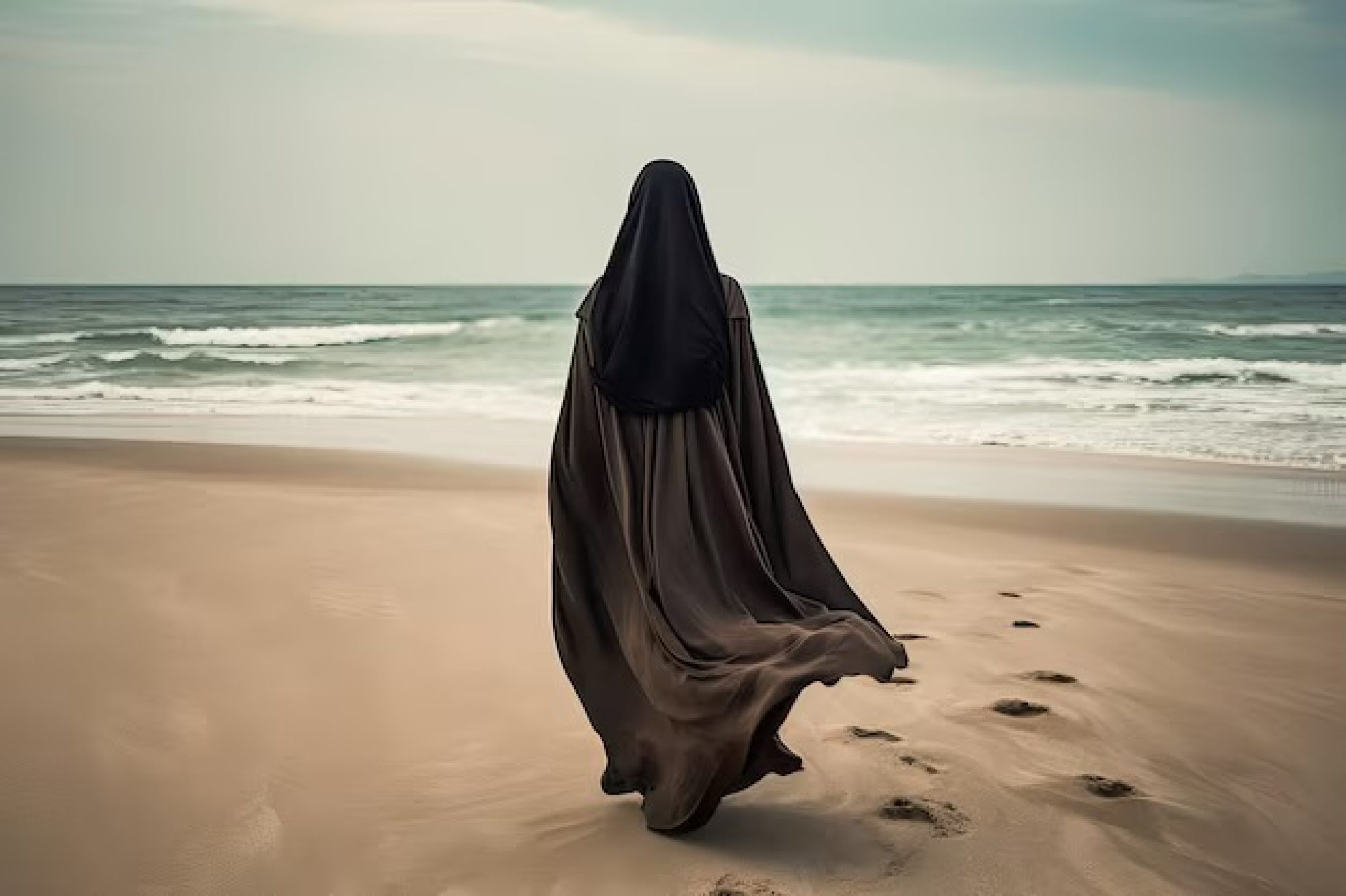
Last night , many people across the world count down the seconds to midnight and welcome what they call a “New Year.” Fireworks will crack the sky, glasses will clink, resolutions will be spoken into the dark. And yet, for all its noise and certainty, January 1 is nothing more than a number turning over — a date inherited from Rome, later carried and enforced through Christian Europe, and eventually normalised across much of the world as if it were universal, ancient, and natural.
It isn’t.
The idea that the year begins in the depth of winter, when the land is still, when seeds sleep underground and trees hold their breath, is not rooted in nature. It is rooted in administration. In empire. In paperwork. And yet people speak of it as if it is spiritually aligned, as if something within them is meant to reset simply because a clock says so.
What troubles me is not that people celebrate it — celebration is human — but that so many people living in the West adopt Western customs without question, and then complain that they are losing their own cultures. These two things cannot sit comfortably together. If we replace our inherited calendars, seasonal markers, and ancestral rhythms with imported systems, we should not be surprised when our sense of cultural grounding begins to thin.
Most of us come from very mixed cultural heritages. I certainly do, and so do many people I know. That is not something to apologise for. It is fine — absolutely fine. What matters is not purity, but consciousness. Knowing what we are participating in, and why.
I have many friends who follow earth-based religions whose New Year begins in October, with darkness, ancestors, and rest. Others mark it in spring, when balance returns and life stirs again. I know people whose New Year is lunar and shifts every year, and others who follow calendars rooted in agricultural cycles or solar turning points. None of these are wrong. They simply arise from different relationships with time, land, and meaning.
All of this highlights something simple: a New Year is not universal. It is a human agreement layered on top of nature — and sometimes aligned with it, and sometimes not.
Even within Islam, the Islamic New Year in Muharram has never fully sat comfortably with me. Not because it lacks meaning, but because it is entirely lunar. It moves through the seasons without anchoring itself to them. It does not align with solstices or equinoxes. And while there is wisdom in that, it can feel out of tune if one is seeking harmony with the land itself. This is not a rejection — it is simply a personal observation.
The Qur’an repeatedly calls us to look — not just to count.
“The sun and the moon move by precise calculation.
And the stars and the trees prostrate.
And the heaven He raised and set the balance,
so that you do not transgress the balance.”
(Qur’an 55:5–8)
Time and balance are written into creation itself. The warning is clear: do not override that balance with human systems that pull us out of alignment.
For many years now, you will not find me celebrating January 1. I am polite — I return greetings, I do not judge those who mark it — but that is where it ends. And this has nothing to do with religious prohibition or moral superiority. It is about wanting to live more peacefully, more consciously, and more in tune with the land around me.
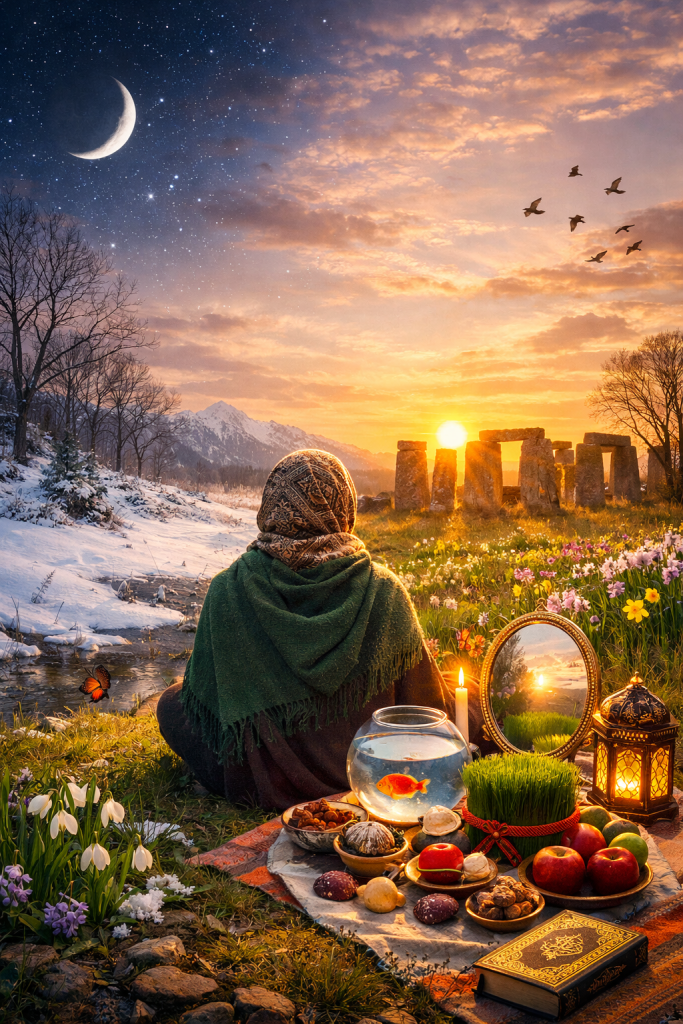
For a long time, I felt the New Year most clearly in spring — as many earth-based traditions do. And when we look to Iran, we see this embodied beautifully in Nowruz, the New Year celebrated at the spring equinox. It is not based on a number, but on balance. Day and night stand equal. Light returns. Life begins again.
Homes are cleaned, not symbolically but practically — winter released. Tables are laid with living symbols: sprouts, fruit, mirrors, fire, poetry. It is a celebration that mirrors what is actually happening in the world. And here in the UK, the same truth is visible if we pay attention: bulbs pushing through cold soil, birds rehearsing new songs, the land loosening winter’s grip. A true beginning can be seen.
“You see the earth lifeless, then when We send down water upon it, it stirs, swells, and grows of every beautiful kind.”
(Qur’an 22:5)
No committee decides when this happens.
No calendar commands it.
And who governs this turning? Not Rome. Not the Church. Not the state.
“So direct your face toward the way of life, inclining to truth — the fitrah of Allah upon which He has created humanity. There is no altering the creation of Allah.”
(Qur’an 30:30)
To live in harmony, we must live in harmony with the nature Allah subḥānahu wa taʿālā created. Not everything handed down through history deserves automatic obedience. Some things are simply habits of empire that we have mistaken for truth.
So perhaps the question is not when the New Year is, but whether we are willing to step back from inherited assumptions and listen again — to the land, to the seasons, to the signs written into creation itself.
The land knows when the year truly begins.
And if we are quiet enough, we can remember too.
Discover more from Seeking Sakina
Subscribe to get the latest posts sent to your email.
 Seeking Sakina