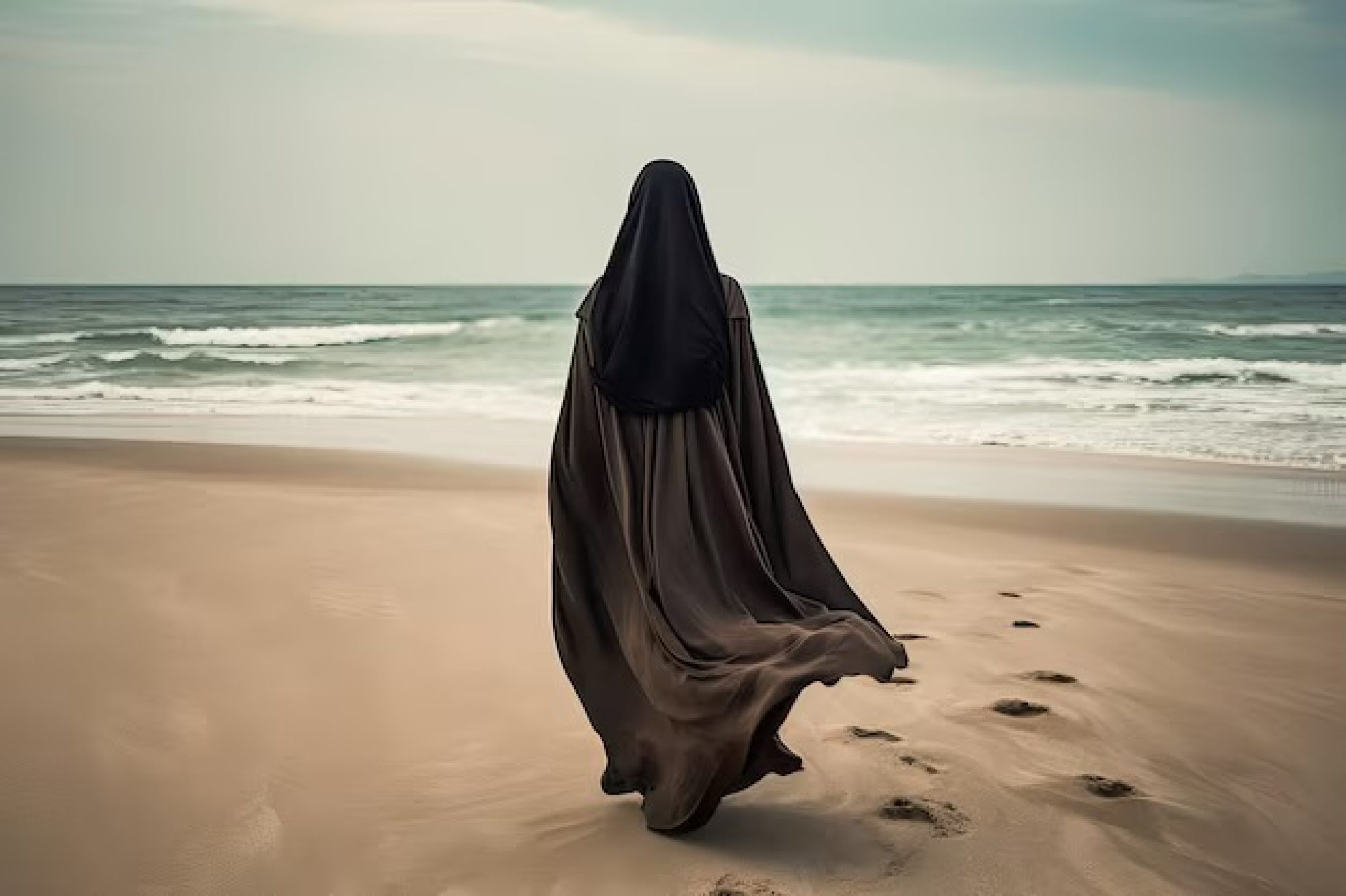
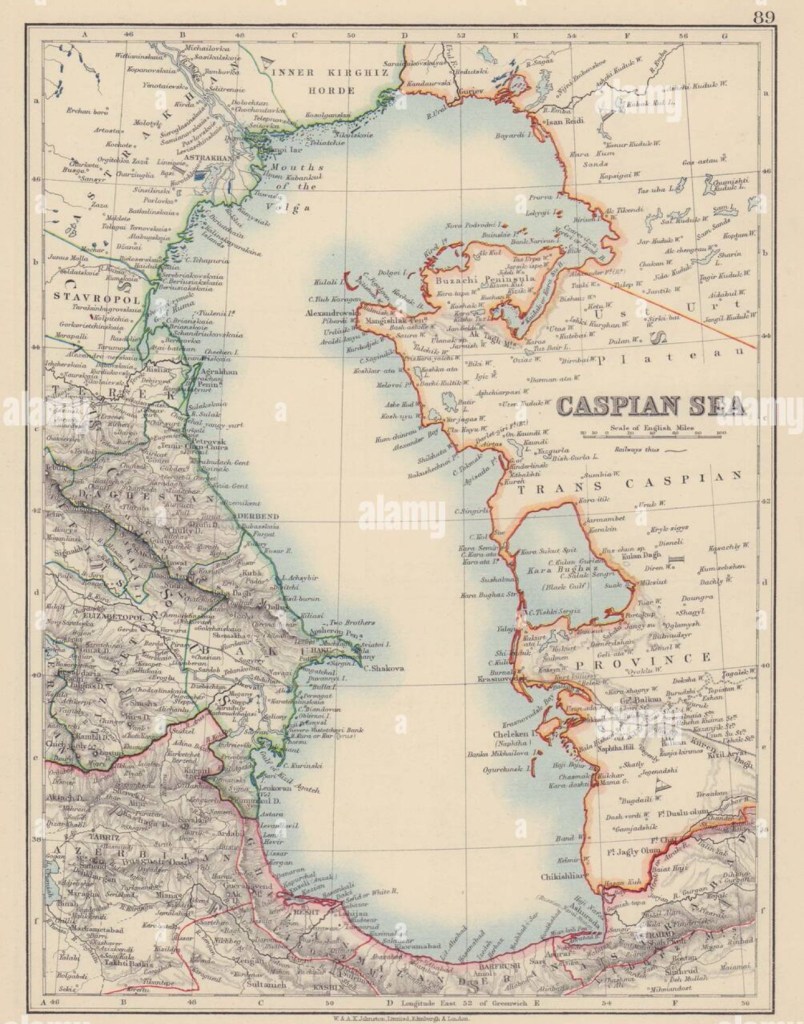
A fictional retelling of how they might have met according to snippets and stories spoken over generations.
Maryam was a young woman when the British supply trucks first rolled past the dusty roads near Rasht. She lived with her family not far from the coast, in a modest brick house that filled with the smell of rice and bay leaves every evening. Her father ran a teahouse that served traders, dockworkers, and the occasional soldier posted near Bandar-e Anzali. Maryam helped —carrying tea trays, wiping tables, keeping her eyes low when unfamiliar men came through the doors.
Robert was from South Wales, a corporal with the British forces stationed in Iran as part of the Allied supply effort during WWII. His unit had been assigned to Bandar-e Anzali, a port city on the Caspian Sea that connected the southern railway lines to Soviet shipping routes. Like many soldiers, he was far from home and looking for a sense of normality among the chaos.
One afternoon, on a rest day, he took a trip inland to Rasht with a fellow soldier. They found Maryam’s family teahouse by chance. The room was filled with warm light and quiet conversation. He was struck by her calm, the way she worked silently, efficiently, with a grace that wasn’t performative.
Over the next few weeks, Robert returned to Rasht more and more often. He started to pick up words in Persian, just enough to order tea and thank her father. Maryam, too, had begun to understand some English—basic words, the names of places she’d never seen. They spoke carefully, slowly, piecing together a language between them.
Eventually, he asked to speak with her father. He expressed a wish to marry her. The answer was a firm no. She was too young. Too local. And he was a foreign soldier in a temporary war.
Robert respected the decision, but he kept visiting the city, and Maryam kept serving tea. They never spoke openly of what came next, but something unspoken passed between them—an understanding, a hope.
When the war ended and Robert prepared to return to Britain, Maryam made her decision. She couldn’t go with his permission, so she went without it.
She followed him. Quietly, determinedly. And when she reached the UK, the two were married. She took her place beside him not only as his wife now named Mary but as a bridge between two very different worlds.
For My ancestral Grandmother
I never saw her city,
never breathed its salt-thick air
or saw the lilies float across the Anzali Lagoon.
But I know her —
in the way I stand when no one speaks for me,
in the tea I brew when I need to remember,
in the silence I wear like armor.
They say I look like him —
my freckles, my flame-red hair,
but I am hers.
Her grit.
Her leaving.
Her sea.
All of it lives quietly
in me.
Discover more from Seeking Sakina
Subscribe to get the latest posts sent to your email.
 Seeking Sakina