
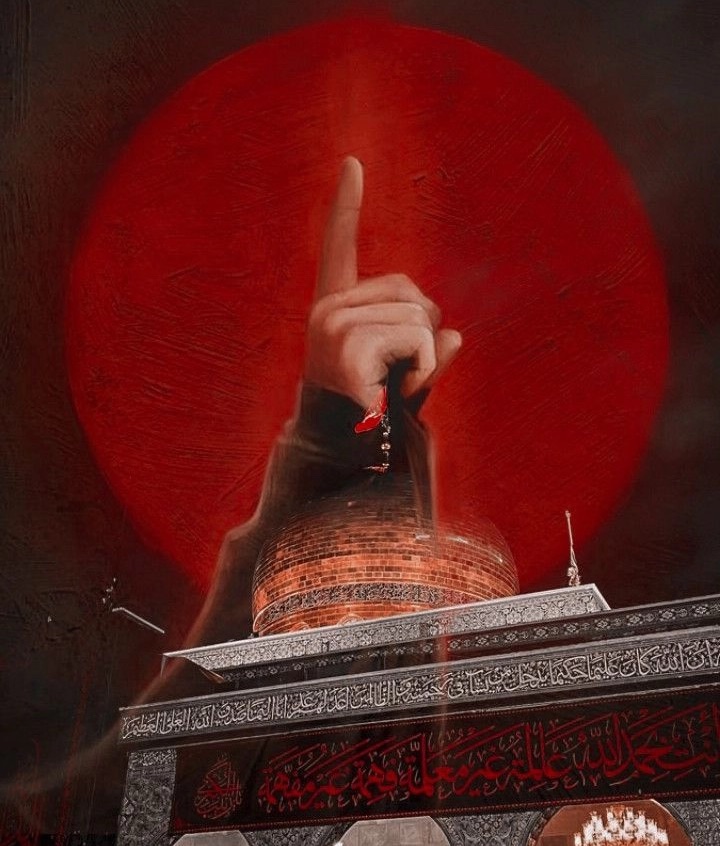
“If the price of unity is betrayal, then what are we uniting upon?”
It’s a question that came to me like a quiet interruption — the kind that doesn’t just echo in your mind but settles in your chest. We speak so often about unity in our communities, our ummah, our families. We are taught that unity is sacred, that it is a strength, a mercy, a protection. And it is. But like anything, when misunderstood, unity can become a shield that hides deep fractures — and sometimes even justifies them.
Because what are we calling unity when it demands silence in the face of oppression? What are we defending when “getting along” requires that we ignore harm, abandon truth, or betray the very values that are meant to hold us together?
Unity is a noble goal. But unity built on fear, coercion, or denial is not unity — it is conformity. And conformity at the expense of integrity will always collapse. Eventually.
Sometimes, we are asked to “not make waves,” to “keep the peace,” to “let it go — for the sake of unity.” But peace that demands injustice is not peace. It’s just a quieter form of violence. A betrayal dressed up as harmony.
Whether it’s within the ummah, within families, or within ourselves — the call to unity must never override the call to truth.
Because real unity is not built on erasing difference, or tolerating injustice, or pretending harm hasn’t been done. Real unity is built on accountability. On shared values. On a commitment to something higher than ego, reputation, or comfort. It is built when we can say: this was wrong — and still remain in each other’s lives. When we can hold each other to account — and still hold each other in compassion. When we can look one another in the eye and know we are standing together on the side of what is right, not what is easy.
Our faith teaches us this. Islam is not a religion of empty consensus. The Prophet ﷺ did not unite his people by appeasing every party. He did not say “let’s just get along” when Quraysh asked him to compromise on tawheed. He did not sacrifice truth for togetherness. He stood in truth — even when it meant standing alone.
So we have to ask ourselves:
If the price of unity is betrayal, then what exactly are we uniting upon?
Are we standing on shared conviction? Or shared denial? Are we avoiding conflict because it’s unnecessary — or because it’s uncomfortable? Are we keeping peace — or just keeping secrets?
There is no honour in a unity that protects the powerful and silences the oppressed. There is no barakah in peace that buries truth.
So perhaps the real work is not to strive for unity at all costs — but to strive for integrity within our unity. To know that it is not disloyal to speak the truth. It is not divisive to challenge harm. And it is not betrayal to refuse to betray your own conscience.
Real unity is not the absence of tension.
It is the presence of truth, held with love.
And that is a price worth paying.
Discover more from Seeking Sakina
Subscribe to get the latest posts sent to your email.
 Seeking Sakina