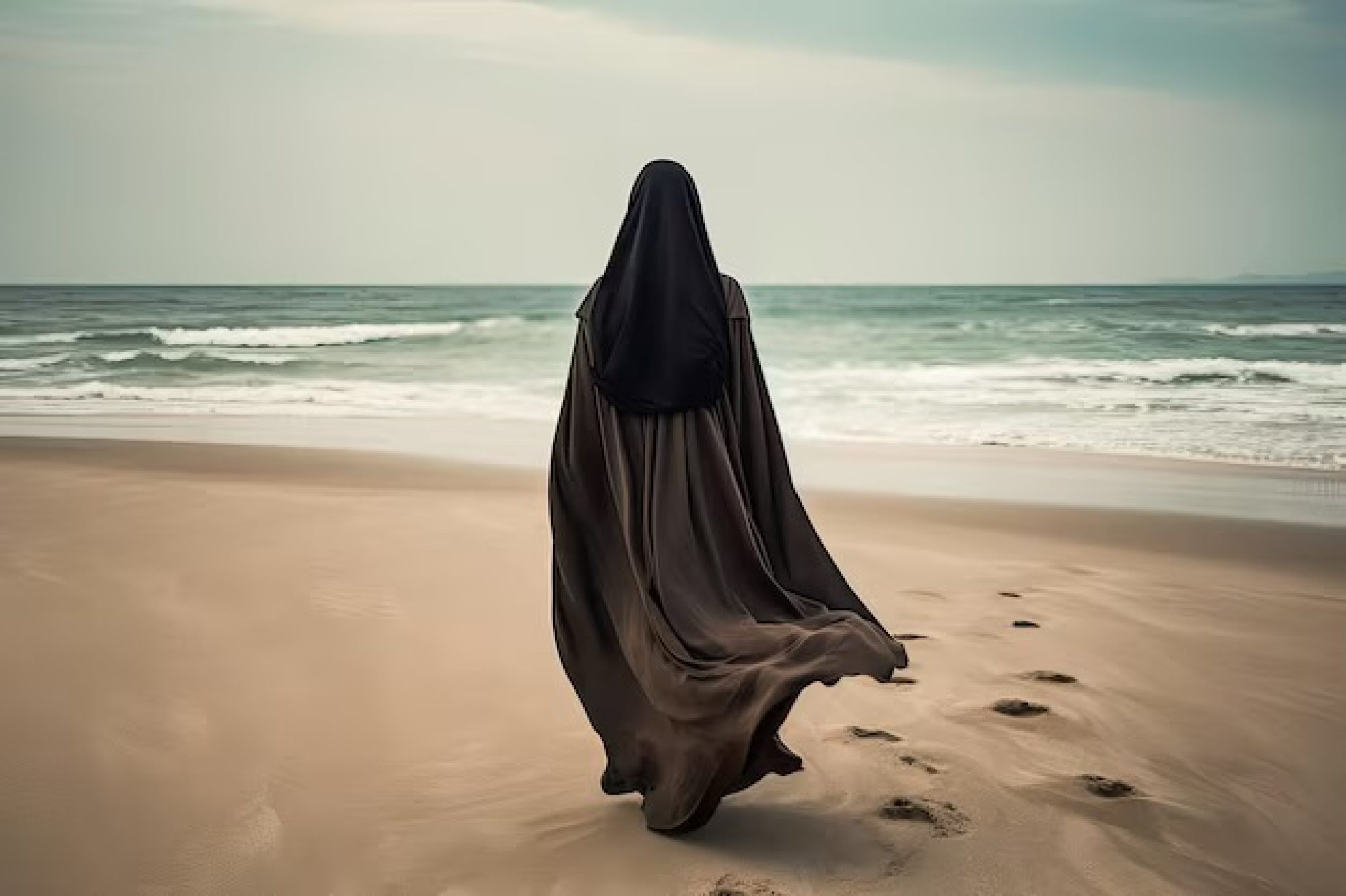

Feminism, at its core, is meant to champion the rights of all women — to protect their dignity, autonomy, and voice, no matter where they come from or what they wear. But where are these voices when hijabi girls are beaten, stabbed with pens, and left in critical condition simply for being visibly Muslim?
Recently, a disturbing attack took place in the U.S. — three young Afghan girls, still in school, surrounded by more than twenty students. They were assaulted, their hijabs torn off, their bodies violated — not just physically, but symbolically. This wasn’t just bullying. This was a hate crime, an act of Islamophobia, misogyny, and racism all in one. Yet the silence from feminist and women’s empowerment groups is deafening.
Why is it that the moment a woman covers herself, she is no longer seen as worthy of protection? Why does her choice to wear a hijab disqualify her from sisterhood in the eyes of the West? These so-called “goddess collectives” and “mystery schools” preach divine feminine energy and women’s freedom — but that freedom, it seems, is conditional. Conditional on how much skin we show. Conditional on whether we fit into a Western mold of liberation. Conditional on whether our choices look like theirs.
To wear a hijab is not to be silenced. To cover is not to be caged. But the Western media constantly paints Muslim women as oppressed, even when they speak for themselves. This narrative is a form of colonial feminism — one that claims to uplift but instead erases and excludes.
Real feminism should be expansive. It should stand for the girls in hijab just as loudly as it does for the girls in crop tops. It should mourn the wounds of Afghan students as passionately as it would any other act of violence against women. If your feminism has borders, if it only fights for women who reflect your own lifestyle, it is not feminism — it is a performance.
Where are the voices now? Where are the protests, the candlelight vigils, the viral hashtags?
We will not be silent. We will not let this hypocrisy go unchecked. Our hijab is not a symbol of oppression — but your silence might be.
Discover more from Seeking Sakina
Subscribe to get the latest posts sent to your email.
 Seeking Sakina
أتفق معك في أن نقص النسويات في الاستجابة والدعم أمر مجنون.
LikeLike
absolutely agree
LikeLiked by 1 person