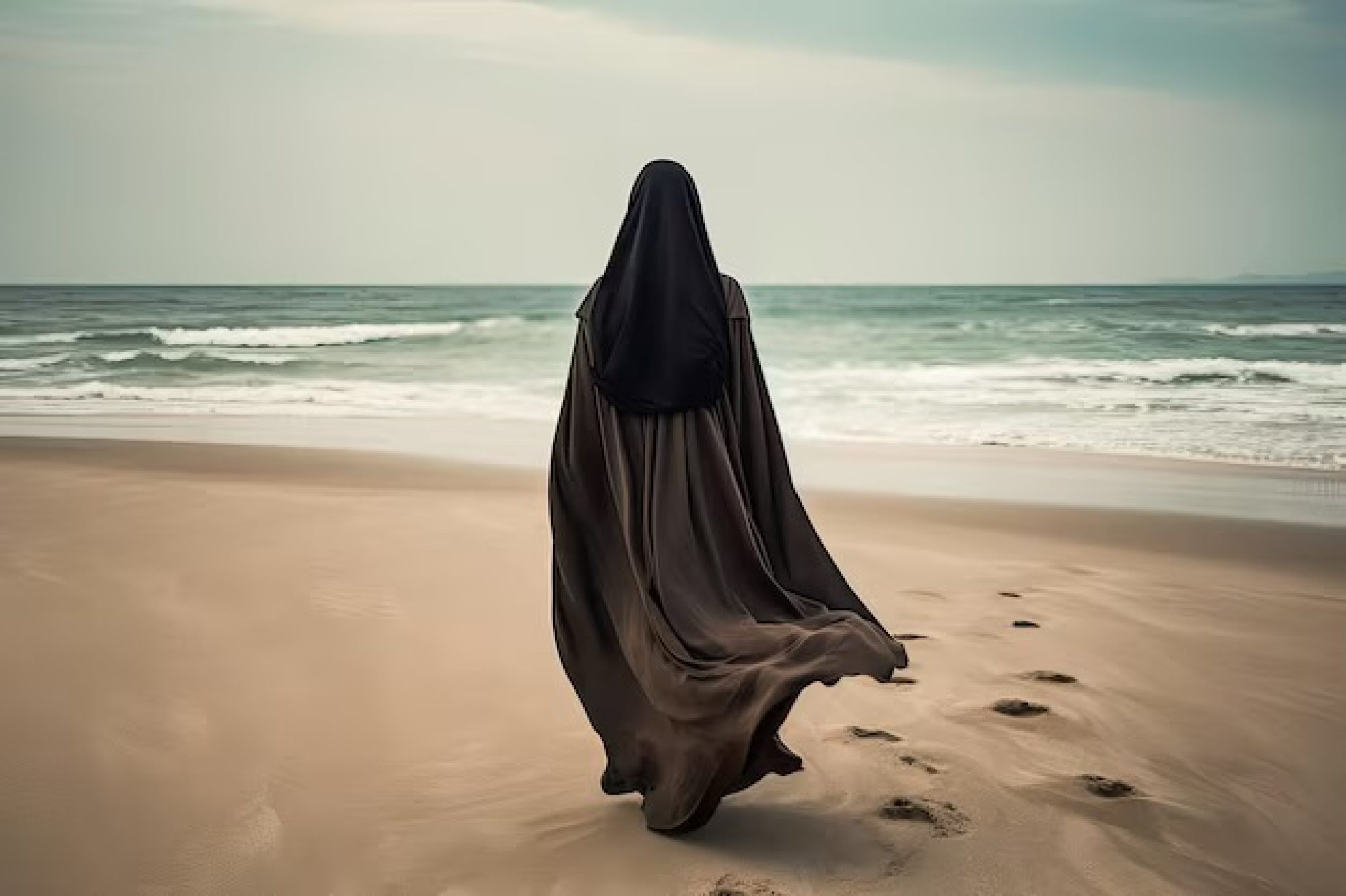
The hijab is a journey — not a punishment, not a prison, and certainly not a measuring stick for piety. It is not something to be weaponised or used as a yardstick to shame others into submission.
It’s a veil of devotion. A symbol of presence. A sacred marker that each woman must come to in her own time, in her own way, and with her own heart.
And the truth is — the head covering isn’t unique to Islam.
In Judaism, Orthodox women cover their hair with scarves or wigs after marriage. In Christianity, early traditions expected women to cover their heads during prayer and worship. Paul even wrote in 1 Corinthians 11:5–6:
“But every woman who prays or prophesies with her head uncovered dishonors her head—it is the same as having her head shaved. If a woman does not cover her head, she might as well have her hair cut off.”
Modesty has always existed in sacred traditions — but it was never about control. It was about reverence. Humility. Sacred space.
In the Qur’an, the word khimār is used — a cloth that was already being worn by women at the time. The instruction in Surah An-Nur (24:31) is to draw it over the bosom. Why? Because people used to walk around half-naked in that society. The verse was about refining modesty, not inventing it. It was about dignity, not dominance. It was about helping Muslim women be recognised, respected, and protected — not scrutinised and shamed.
But today, that’s what it’s become for many of us — especially online.
Too many brothers — and yes, I say brothers first because it’s mainly them — are calling out sisters for what they call “incomplete hijab.”
They’re focused on makeup.
On lashes.
On colourful scarves.
On strands of hair.
And most of these voices are coming from hardline mindsets — Salafi, Wahhabi-flavoured thinking — using harshness and fear instead of compassion and understanding. They quote Hadith, but they forget adab. They preach Qur’an, but ignore its mercy.
Meanwhile, they are silent on genocide. Silent on Palestine. Silent on corruption, war, and poverty.
Where is your outrage when children are being bombed?
Where is your energy when the Ummah is bleeding?
Why is a sister’s eyeliner more offensive than an orphan’s cry?
On the Day of Judgment, each soul will be accountable for its own actions.
“No bearer of burdens shall bear the burden of another.” (Qur’an 6:164)
You won’t be judged for my scarf.
And I won’t be judged for your beard.
So many people misuse the deen to control others. They wield rules without wisdom. They use Islam as a stick, not a path. And sisters like me — who are trying, stumbling, returning, recommitting — are left feeling judged, excluded, not good enough.
But I believe this, with my whole heart:
We all have our own path to Allah.
We will not be asked if our scarf was pinned tight enough — but we will be asked if our heart was sincere. If we tried. If we showed mercy. If we remembered Him.
I don’t believe that Allah — the Most Merciful — is going to condemn me for a few eyelashes or a slip of hair. I believe He sees the effort, the pain, the intention — the quiet ways I seek Him through the chaos of life.
Hijab is not just a piece of cloth.
It’s a mirror.
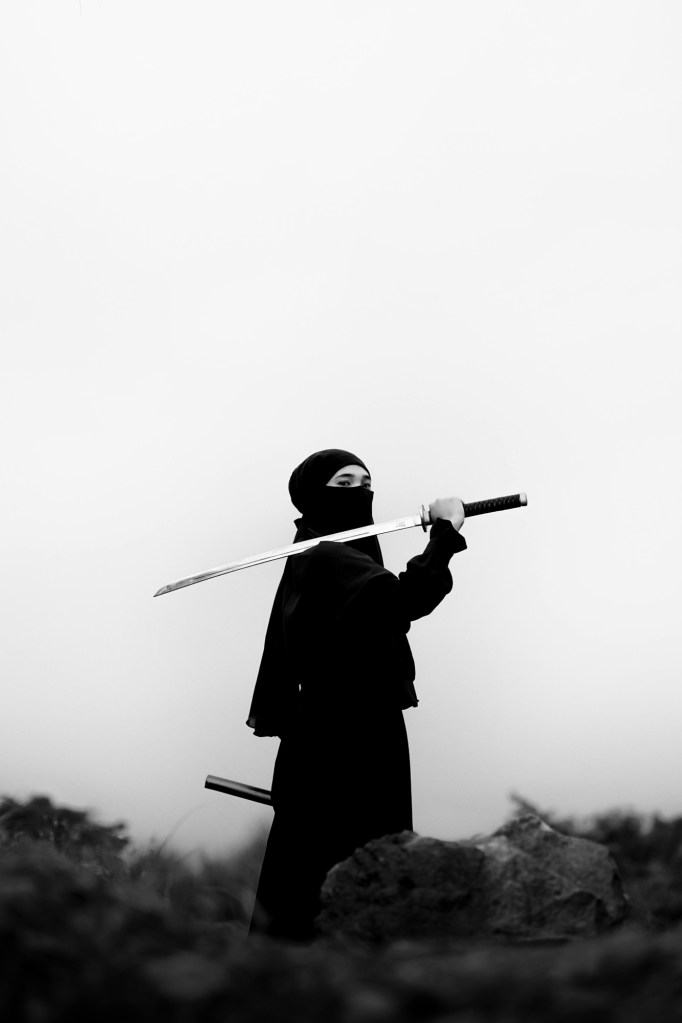
A sword.
A shield.
And it must be worn with awareness, yes — but also with love.
Not shame.
Not fear.
Not for others.
But for Him.
So to the sisters still figuring it out: you’re not alone.
To the ones who wear hijab and still feel the pressure: I see you.
To those who are returning after years away: may your journey be soft.
And to those who judge: may Allah soften your hearts and open your eyes.
Let us stop turning the veil into a weapon.
Let us carry the sword with mercy — not to wound, but to protect.
Let the hijab be light.
Let it be love.
Let it be yours.
Discover more from Seeking Sakina
Subscribe to get the latest posts sent to your email.
 Seeking Sakina