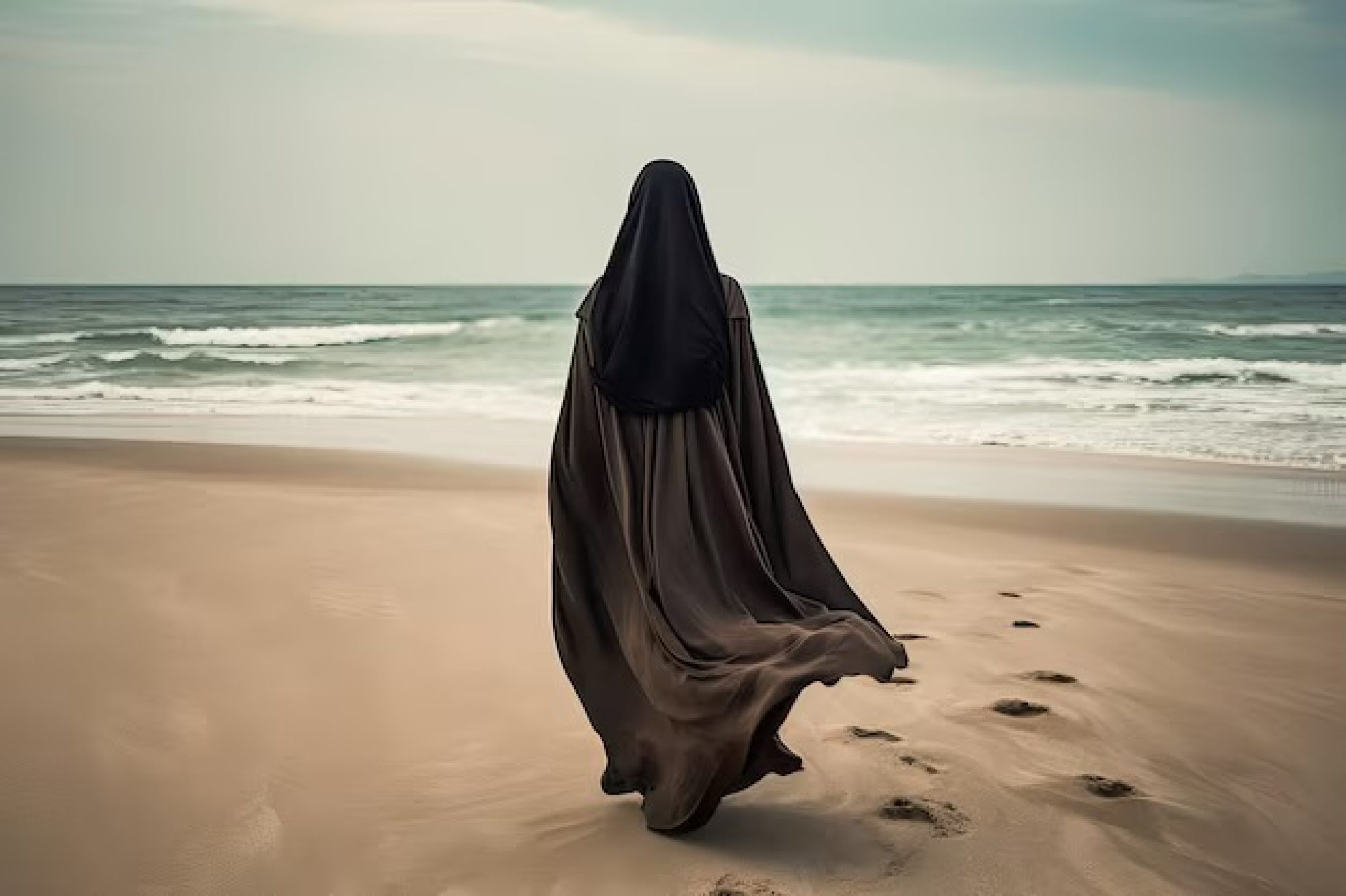

Eid is meant to be a celebration—joyful, communal, filled with warmth and belonging. But for many reverts, Eid is a stark reminder of what they don’t have: a community, an invitation, a place to belong.
The struggle of a revert is often invisible, overlooked by those who have never had to navigate Islam alone. When we first take our shahada, the ummah rejoices. There are smiles, congratulations, and an outpouring of love. But once the excitement fades, many reverts find themselves completely alone. The warm welcome turns cold, and the reality sets in—we are Muslim, but we are still on the outside looking in.
This loneliness is never more apparent than on Eid. While born Muslims and reverts who have found their communities celebrate with family and friends, others sit alone, scrolling through social media posts of gatherings they were never invited to. And when they express their loneliness, they are met with the same, tired responses:
“Just go to the mosque.”
“You need to build a community.”
“If you lived closer, I would have invited you.”
False hospitality. Empty words. Excuses disguised as concern.
If we truly cared about the reverts in our ummah, we wouldn’t be waiting for them to ask for inclusion—we would already be making space for them. We know they exist. We know they struggle. So why are we not creating spaces specifically for them on Eid? Why do we celebrate their shahada with such enthusiasm, only to abandon them when it truly matters?
It’s even more disheartening to see that some of the worst dismissals come from fellow reverts—those who have found their place and forgotten the struggle they once faced. Some even go so far as to shame those who are still searching, offering the same unhelpful advice: just do more, just try harder, just find a way. As if the problem is a lack of effort rather than a lack of support.
And then there are the practical barriers. Some reverts can’t simply “go to the mosque.” They have children—children who may not be Muslim, children with disabilities, children who don’t fit the narrow criteria of who is allowed in certain spaces. Others live in areas where the Muslim community is small or unwelcoming. And let’s not ignore the fact that many mosques are not actually the safe havens they are assumed to be, especially for female reverts who are often met with cultural judgment, not Islamic brotherhood.
The truth is, this issue isn’t going to be solved by waiting for the born Muslim community to change. And it certainly won’t be solved by looking to reverts who have assimilated so deeply that they’ve forgotten the struggles of those still on the outside. Maybe it’s time for us—the ones who are still struggling—to create our own spaces. Maybe the reverts who do understand need to take the lead in building something meaningful, something welcoming, something real.
Because right now, Eid continues to highlight the gaping hole in our ummah. The lack of compassion. The absence of true brotherhood. The failure to practice the very hospitality that Islam teaches.
This isn’t about pity. It’s about action. It’s about acknowledging that there is a problem and refusing to let another Eid pass by with the same cycle of exclusion and disappointment.
Reverts deserve better. The ummah must do better. And if no one else will take the first step—maybe we need to
So if you’ve got any ideas message me as personally I don’t want to see another video of a lovely revert eating alone or crying online at a time that should be full of joy and community celebration
Discover more from Seeking Sakina
Subscribe to get the latest posts sent to your email.
 Seeking Sakina