
Ramadan is a month of profound connection with Allah, where our du’a, istighfar, and tawbah create an open dialogue between us and our Creator.
This sacred time reminds us of the importance of how we speak to ourselves. Just as du’a reflects our love for Allah, our self-talk is a reflection of how we love and treat ourselves.
Negative self-talk, like saying “I can’t,” holds us back and distances us from both our true potential and from Allah. By doubting ourselves, we may unknowingly doubt Allah’s ability to help us, weakening our trust in Him.
Instead of feeling overwhelmed or defeated, we can choose to speak more kindly to ourselves: “I can do this with Allah’s help,” or “I trust Allah will guide me through.” This shift in mindset moves us from limitation to possibility, and keeps us grounded in the present, trusting in Allah’s strength and mercy.
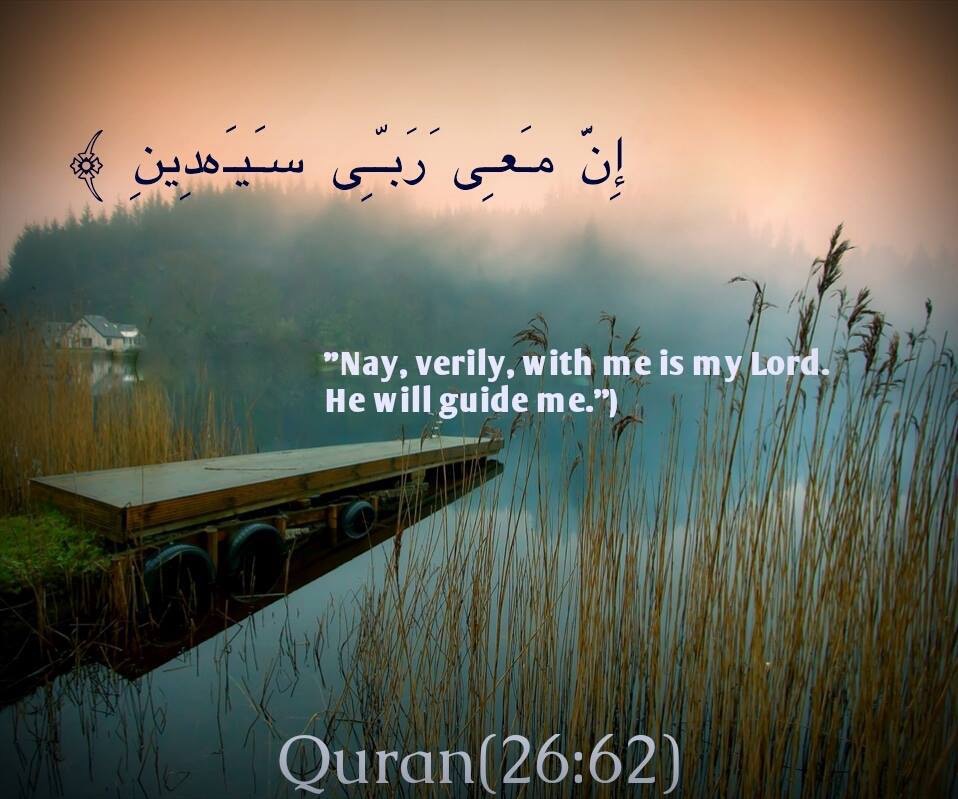
Allah reminds us in the Qur’an,
“And indeed, my Lord is with me, and He will guide me” (Qur’an 26:62)—a beautiful reminder that when we place our trust in Him, He will always show us the way.
There will be times when we don’t know which way to turn or what to do. In those moments, it’s essential to turn to Allah. Seeking His guidance through du’a and trusting that He knows what is best for us allows us to find peace, even in uncertainty.
No matter how lost we may feel, Allah’s guidance is always there for those who seek it.
The Qur’an also tells us, “Indeed, with hardship comes ease” (Quran 94:6).
Replacing negative thoughts with faith in Allah’s mercy helps bring ease into our lives. True taqwa—God-consciousness—also involves being mindful of how we talk to ourselves. When we treat ourselves with kindness, we reflect the mercy and compassion of Allah.
This Ramadan, let’s replace “I can’t” with “I can,” trusting in Allah’s power to make the impossible possible. By doing so, we strengthen our relationship with ourselves, others, and, most importantly, with Allah.
Discover more from Seeking Sakina
Subscribe to get the latest posts sent to your email.
 Seeking Sakina